Compulsive spending creates a vicious cycle of temporary highs and long-term financial stress.
This phenomenon is often referred to as the “hedonic treadmill”.
The Hedonic Treadmill: Understanding the Cycle of Compulsive Spending
The hedonic treadmill is a psychological concept that describes the tendency for individuals to return to a baseline level of happiness despite significant changes in their circumstances. In the context of compulsive spending, this concept is particularly relevant. When individuals engage in compulsive spending, they may experience a temporary sense of relief or pleasure, but this feeling is often short-lived.
The Cycle of Financial Stress and Mental Health
Financial stress can have a profound impact on mental health, and it’s essential to break this cycle. The relationship between financial stress and mental health is complex, and it’s crucial to address both aspects simultaneously.
The Impact of Financial Stress on Mental Health
Financial stress can lead to feelings of anxiety, depression, and hopelessness. The constant worry about money can be overwhelming, making it challenging to focus on other aspects of life. This stress can also lead to physical symptoms such as headaches, insomnia, and digestive problems. The emotional toll of financial stress can be severe, causing individuals to withdraw from social interactions and relationships. Financial stress can also lead to feelings of shame, guilt, and self-blame, further exacerbating mental health symptoms. The pressure to maintain a certain lifestyle or standard of living can lead to feelings of inadequacy and low self-esteem.
Breaking the Cycle
Breaking the cycle of financial stress and mental health requires a comprehensive approach. It involves addressing both financial and mental health aspects simultaneously.
Financial Strategies for Mental Health
The Impact of Stress on Food Choices
Stress can have a profound impact on our eating habits, leading to impulsive and often unhealthy food choices. When we’re under stress, our brain’s reward system is triggered, releasing feel-good chemicals like dopamine.
Overcoming Financial Anxiety Requires a Holistic Approach to Mental Health and Financial Literacy.
The Financial Anxiety Paradox
Financial anxiety is a pervasive issue that affects millions of people worldwide. It’s not just about managing debt or saving for retirement; it’s about the emotional toll it takes on individuals and their relationships.
The integration of financial literacy into mental health treatment is a growing trend.
The Intersection of Mental Health and Financial Literacy
Mental health professionals are recognizing the intricate connection between financial literacy and mental well-being. Research has shown that financial stress can exacerbate mental health issues, such as anxiety and depression. Conversely, financial stability can have a positive impact on mental health. Financial stress can lead to:
- Increased anxiety and depression
- Decreased self-esteem and confidence
- Strained relationships and social connections
- Poor physical health outcomes
The Benefits of Financial Literacy
Financial literacy can have a profound impact on mental health. By understanding basic financial concepts, individuals can:
Case Study: Sarah’s Financial Journey
Sarah, a 35-year-old marketing professional, struggled with financial stress and anxiety.
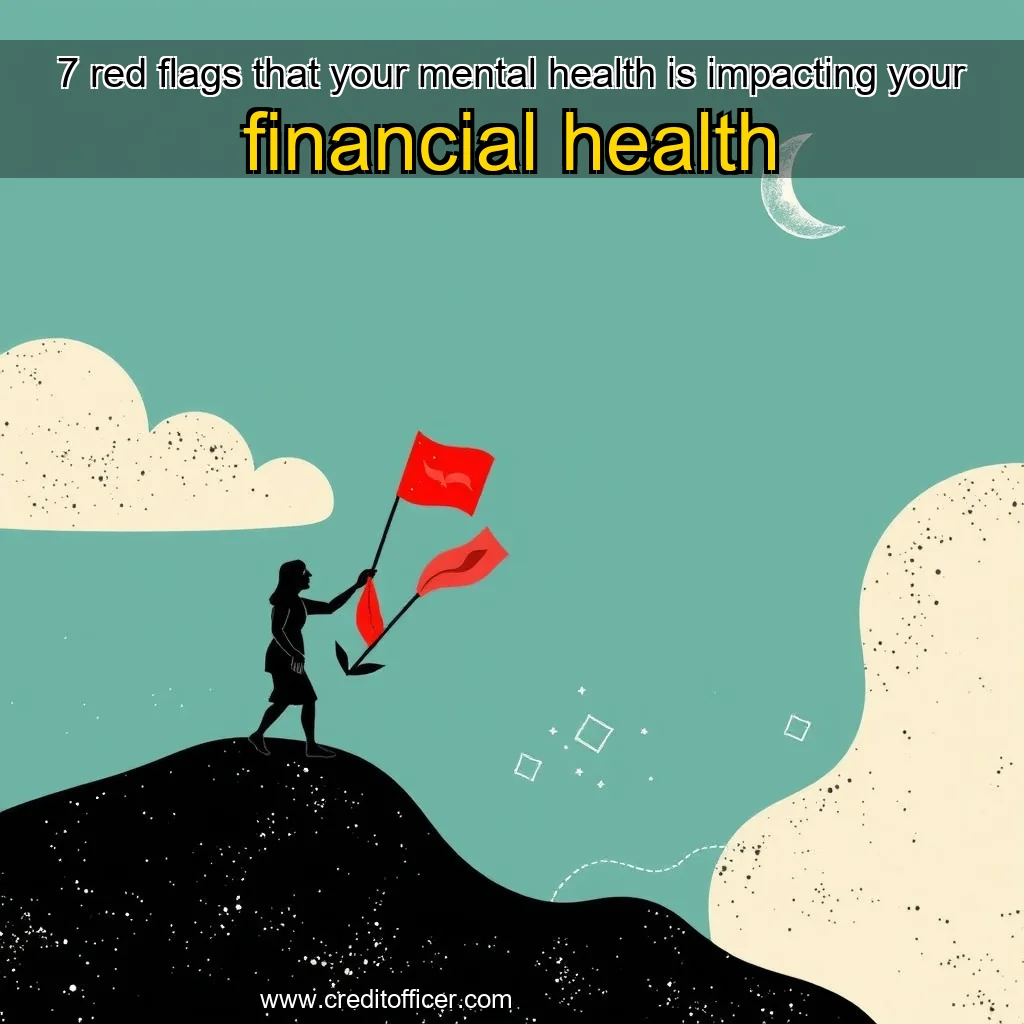
In this article, we will explore the warning signs of unhealthy financial habits and provide practical advice on how to break free from these patterns.
Warning Signs of Unhealthy Financial Habits
Unhealthy financial habits can manifest in various ways, and it’s essential to recognize the warning signs to prevent further damage. Here are some common indicators: