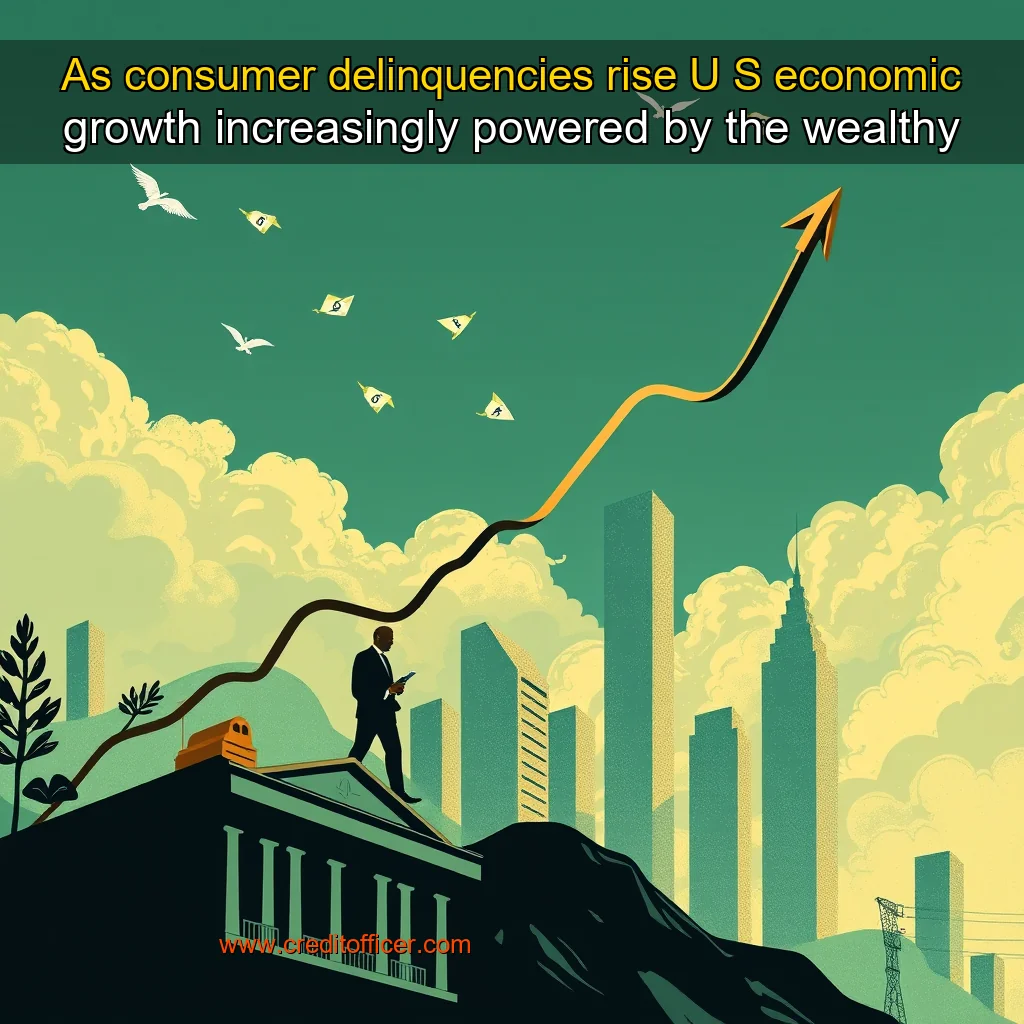
The wealthiest 1% of Americans now hold more than 40% of the country’s wealth, while the bottom 90% hold just 27%. This stark contrast highlights the widening income inequality in the United States.
The Widening Wealth Gap
The wealthiest 1% of Americans now hold more than 40% of the country’s wealth, while the bottom 90% hold just 27%. The wealthiest individuals and families are not only accumulating wealth at an unprecedented rate, but they are also passing it down to future generations through inheritance. The median wealth of the top 1% is over $7 million, while the median wealth of the bottom 90% is just $12,000. The top 1% own more than 40% of the country’s wealth, while the bottom 90% own just 27%. The wealthiest 1% have seen their wealth increase by 12% since 2019, while the bottom 90% have seen their wealth decrease by 4% over the same period.
The Impact on the Middle Class
The widening wealth gap has significant implications for the middle class.
The Struggle is Real
For many individuals living in lower-income households, the struggle to make ends meet is very real. Despite having a job, their wages may not keep pace with the rising cost of living, leaving them with limited financial resources. This can lead to a cycle of financial insecurity, making it challenging to achieve long-term financial stability.
The Impact of Inflation
Inflation has been a significant factor in the recent economic landscape. As prices rise, the purchasing power of individuals’ wages decreases. This can lead to a decrease in their standard of living, making it difficult for them to afford basic necessities like housing, food, and healthcare. The impact of inflation on lower-income households is particularly pronounced, as they often have limited financial buffers to absorb price increases. Inflation can also exacerbate existing financial stress, making it more challenging for individuals to make ends meet.*
The Limited Access to Assets
Lower-income households often lack access to the types of assets that have seen rapid appreciation in recent years, such as stocks, real estate, and other investments.
Debt levels surge to record highs, sparking concerns about consumer financial stability.
The Rise of Consumer Debt
Consumer debt has been on the rise for several years, with the total amount of outstanding debt reaching record highs. The latest data from the Federal Reserve shows that the share of overall consumer debt in delinquency is now at its highest level in nearly five years. This trend is concerning, as it suggests that many consumers are struggling to manage their debt.
Minimum payments are becoming the norm, with far-reaching consequences for credit scores and the economy.
The Rise of Minimum Payment Culture
The share of active credit card accounts making just the minimum payment has reached a 12-year high, according to recent data. This trend is not limited to low-income households; even those with higher incomes are struggling to keep up with their payments. The minimum payment culture has become a pervasive issue in the US, with far-reaching consequences for individuals, families, and the economy as a whole.
The Impact on Credit Scores
Making only the minimum payment on a credit card can have severe consequences for one’s credit score. Credit scores are calculated based on a person’s payment history, credit utilization, and other factors. When a credit card account is not paid in full, the outstanding balance is carried over to the next month, resulting in a higher credit utilization ratio. This can lead to a decrease in credit scores, making it more difficult to secure loans or credit in the future. Key statistics: + 12-year high: The share of active credit card accounts making just the minimum payment + $100,000+: Households making above this income level are also struggling to meet spending needs
The Rise of Alternative Retailers
As households struggle to make ends meet, they are turning to alternative retailers like Walmart to meet their spending needs. This trend is not limited to low-income households; even those with higher incomes are seeking out affordable options.
Credit scores determine loan terms and interest rates, making a good credit history crucial for financial flexibility.
The State of Credit Scores
The current state of credit scores is a topic of great interest and concern for many individuals and financial experts alike. Credit scores play a crucial role in determining an individual’s ability to secure loans, credit cards, and other forms of credit. A good credit score can open doors to better loan terms, lower interest rates, and greater financial flexibility.
Understanding Credit Scores
Credit scores are calculated based on an individual’s credit history, which includes information such as payment history, credit utilization, and credit age. The most widely used credit score is the FICO score, which ranges from 300 to 850.
The situation is complex, and the government’s response has been inadequate.
The Rise of Nonprime Borrowers
The number of nonprime borrowers has grown significantly over the past decade. According to recent data, there are now over 1 million nonprime borrowers in the United States alone. This represents a substantial increase from the 2008 financial crisis, when the number of nonprime borrowers was significantly lower.
Consumers are taking on more debt and accumulating higher balances due to increased spending and changing financial behaviors.
The Rise of Revolving Credit
The revolving credit market has experienced significant growth in recent years, with consumers taking on more debt and accumulating higher balances. This trend is driven by various factors, including increased consumer spending, changing financial behaviors, and the rise of credit card usage.