The Essential Business Loan Primer: Understanding Types, Eligibility, and Strategic Borrowing
In today’s dynamic economic landscape, securing a business loan can be a lifeline for entrepreneurs aiming to scale operations, invest in innovation, or navigate financial challenges. Whether you’re launching a startup or expanding an established enterprise, understanding the intricacies of business financing is crucial.
This guide delves deep into the world of business loans, exploring their various types, eligibility criteria, application processes, and strategic considerations that lenders and borrowers alike need to master.
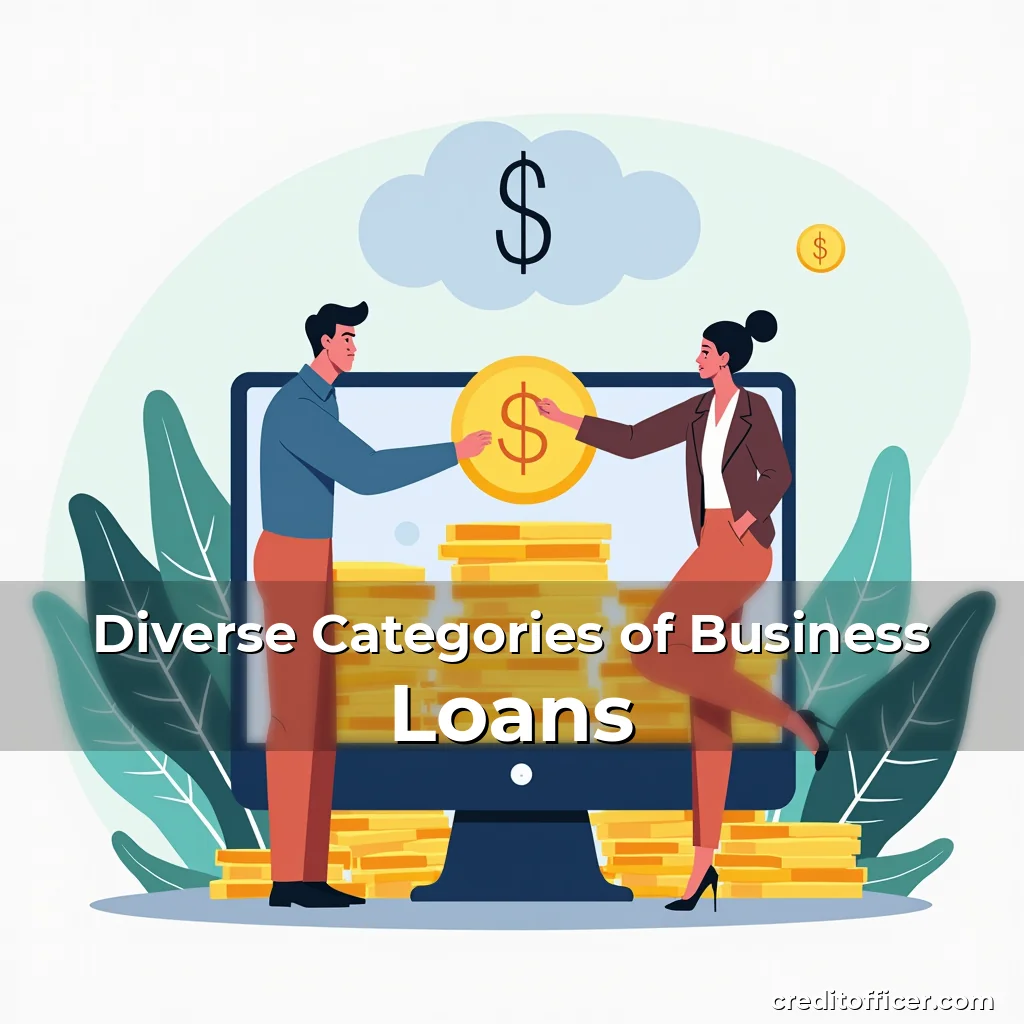
Diverse Categories of Business Loans
Business loans come in many forms, each tailored to meet different needs and circumstances. From traditional term loans to specialized funding options, selecting the right type depends heavily on your company’s goals and financial standing.
Term loans are among the most common, offering fixed repayment schedules over periods ranging from three years up to two decades. These loans typically require collateral but provide predictable monthly payments.
SBA loans stand out as government-backed programs designed specifically for small businesses. They often feature lower interest rates compared to conventional bank loans and offer favorable terms such as longer repayment periods.
Lines of credit function similarly to personal credit cards by providing access to funds up to a predetermined limit. This flexibility makes them ideal for managing cash flow fluctuations or covering unexpected expenses.
- Equipment Financing: Specialized loans used exclusively for purchasing machinery, vehicles, or other essential equipment. Repayment usually aligns with asset depreciation timelines.
- Invoice Factoring: A unique solution where companies sell outstanding invoices at a discount to receive immediate liquidity instead of waiting for customers to pay later.
Evaluating Lender Requirements and Creditworthiness
Lenders assess several factors when determining whether to approve a business loan application. Your company’s credit history plays a pivotal role alongside its overall financial health metrics.
Credit scores serve as primary indicators of risk assessment; higher scores generally lead to better loan terms including reduced interest rates and increased borrowing limits. However, they aren’t always indicative of future performance alone.
Beyond numerical ratings, lenders scrutinize balance sheets, income statements, and cash flow projections carefully. These documents reveal operational stability and debt management capabilities critical during underwriting reviews.
Collateral requirements vary significantly depending upon both lender policies and loan amounts sought. Some institutions may accept real estate titles while others prefer inventory pledges based on industry standards.
Navigating the Application Process
Filling out a business loan application requires meticulous preparation and attention to detail. Gathering necessary documentation ahead of time streamlines what could otherwise become lengthy procedures involving back-and-forth communication between parties involved.
Typically required items include tax returns spanning previous three fiscal years along with current profit & loss statements showing recent revenue trends accurately portrayed across relevant quarters/periods.
Personal guarantees might also be requested particularly from sole proprietorships where legal separation isn’t maintained between individual owners’ assets versus those belonging solely to corporate entities.
Some applicants opt for prequalification steps which allow them gauge potential approval chances before formally submitting complete packages ensuring alignment expectations prior commitments made externally towards third-party stakeholders.
Common Pitfalls During Applications
Mistakes commonly occur due lack knowledge regarding precise document formats acceptable within respective jurisdictions governing financial institutions operating therein. Always confirm guidelines beforehand avoid unnecessary delays caused mismatched submissions.
Overestimating capacity repayments constitutes another frequent error leading eventual defaults despite initial approvals granted prematurely assuming optimistic scenarios never materializing realistically.
Failure maintaining open lines communications throughout entire process hinders successful outcomes severely impacting relationship development prospects future interactions concerning additional requests beyond original scope initially envisioned.
Strategic Considerations Before Taking On Debt
Before committing oneself taking on new obligations through borrowed capital sources, careful evaluation becomes imperative ensuring alignment objectives pursued simultaneously achieving long-term sustainability targets set forth earlier stages development journeys embarked upon independently previously.
Interest rate structures differ widely amongst available products necessitating thorough comparisons conducted diligently avoiding pitfalls associated choosing suboptimal solutions merely because perceived ease obtaining approvals rather than actual suitability aligned organizational missions pursued relentlessly since inception.
Repayment schedules impact working capital availability affecting day-to-day functioning considerably especially smaller organizations relying heavily external financing mechanisms maintain operations consistently profitable manner continuously evolving competitive markets dominated larger corporations possessing superior resources allocated strategically toward growth initiatives implemented effectively executed efficiently.
Assessing total cost ownership inclusive fees charges applicable duration entire lifecycle borrowing arrangement provides clearer picture true affordability levels ultimately influencing decision making processes undertaken cautiously weighing pros cons comprehensively before final decisions rendered irrevocably binding contracts signed electronically digitally transmitted securely stored encrypted databases protected against unauthorized intrusions cyber threats prevalent modern digital ecosystems.
Comparing Interest Rates Across Providers
Varying interest rates exist among providers reflecting differing risk profiles assessed internally according to proprietary algorithms developed uniquely internal systems evaluating myriad variables contributing determinants final lending decisions issued authoritatively after rigorous analysis performed meticulously adhering regulatory compliance frameworks enforced nationally internationally.
Fixed-rate loans ensure consistency payment amounts remaining unchanged regardless market conditions fluctuating unpredictably affecting variable counterparts whose figures adjust periodically accordance prevailing benchmarks determined regularly published indices tracking macroeconomic indicators influencing monetary policy directions taken central banks globally coordinating efforts stabilize economies prevent recessions mitigate downturns occurring unexpectedly disrupting normalcy sustained progress achieved collectively societies worldwide.
Variable-rate alternatives pose inherent risks potentially increasing burdensome liabilities unexpectedly unless adequate safeguards implemented proactively protecting vulnerable entities susceptible adverse movements negatively impacting bottom lines eroding profits margins shrinking equity bases jeopardizing solvency statuses threatening continuity existence enterprises dependent continuous inflows revenues generated reliably predictably over extended durations.
Understanding Collateral and Security Options
Collateral serves dual purposes acting assurance security interests secured creditors seeking recourse recoup losses arising defaults simultaneously reducing perceived level risk exposure assumed lenders extending credit facilities trusting good faith intentions borrowers honoring covenants stipulated agreements entered voluntarily mutually beneficial relationships cultivated deliberately fostering trust transparency mutual respect foundational elements enduring partnerships characterized reliability integrity consistency actions taken consistently across diverse situations encountered inevitably course business cycles naturally occurring irrespective geographical locations industries represented participants engaged activities daily routines sustaining livelihoods communities served faithfully responsibly ethically.
Types of collateral accepted depend largely upon nature industries operating within particular sectors experiencing varying degrees success failure influenced numerous factors including technological advancements disruptions reshaping landscapes entirely redefining rules engagement formerly dominant players now struggling survive amidst fierce competition emerging startups leveraging disruptive innovations rapidly gaining traction challenging incumbents attempting adapt evolve pace change demands imposed relentless forces driving transformational shifts across global economy increasingly interconnected interdependent systems reliant seamless integration technologies facilitating instantaneous communication exchange information critical components success modern enterprises navigating complex environments demanding agility responsiveness adapting swiftly changing dynamics characterizing contemporary commercial practices.
Real estate remains popular choice securing loans owing substantial value appreciating steadily over timescales measured decades unlike depreciating assets requiring replacement frequently expensive upkeep costly maintenance tasks consuming significant portions budgets already stretched thin pursuing ambitious expansion plans simultaneously trying manage everyday operations efficiently effectively maximizing productivity minimizing waste optimizing resource allocation ensuring optimal utilization capacities invested wisely generating returns exceeding expectations originally projected based preliminary analyses conducted thoroughly exhaustively prior implementation strategies devised meticulously refined iteratively improved gradually approaching ideal states achievable realistically given constraints imposed external/internal environments surrounding ventures undertaken courageously boldly venturing unknown territories pushing boundaries constantly striving excellence surpassing competitors achieving milestones celebrated publicly acknowledged privately cherished deeply valued accomplishments reflected positively balance sheets enhancing credibility attracting investors partners collaborators forming alliances strengthening networks building bridges connecting disparate groups sharing knowledge expertise accelerating collective advancement benefiting society broadly.
Loan Terms and Their Impact on Financial Health
Loan terms dictate not only how much money will be repaid but also influence broader aspects related financial wellness including liquidity positions leverage ratios gearing percentages indicating proportions debts owed relative equities owned affecting ability withstand shocks sudden downturns unforeseen events impacting cash flows critically important maintaining resilience amid turbulence unpredictable nature markets prone volatility driven geopolitical tensions trade wars tariffs currency fluctuations natural disasters climate changes environmental regulations shifting priorities governments altering trajectories economies fundamentally transforming structures previously stable now fragile uncertain requiring proactive measures safeguarding vulnerabilities exposed weaknesses exploited aggressively opportunistic actors seeking advantages exploiting misfortunes suffered innocently unsuspecting victims unprepared face realities suddenly confronted harshly.
Longer repayment periods reduce monthly installments easing pressure cash reserves allowing greater freedom allocate resources toward core functions improving service quality enhancing customer satisfaction retaining loyal clientele growing market share incrementally acquiring new segments expanding geographically diversifying portfolios mitigating concentration risks inherent focusing narrow niches limiting scalability potential constrained artificially self-imposed limitations hindering organic growth trajectories naturally unfolding absent artificial restrictions imposed unnecessarily stifling creativity innovation breakthroughs catalyzing revolutions shaking foundations outdated paradigms replaced progressive models embracing change welcoming disruption celebrating chaos finding order within disorder harnessing energy directing purposefully toward meaningful ends fulfilling missions declared solemnly affirmed repeatedly reaffirmed steadfastly committed tirelessly pursued relentlessly pursued ceaselessly until ultimate goals realized fully actualized completely embodied tangibly concretely verifiably demonstrable measurable quantifiable outcomes validated objectively subjectively appreciated universally recognized celebrated triumphantly.
However, prolonged commitment periods increase total interest paid over lifetime borrowings resulting higher effective costs compared shorter tenures featuring accelerated amortization schedules compressing principal balances quicker freeing up capital sooner enabling reinvestment opportunities stimulating further growth cycles perpetuating upward spirals reinforcing positive feedback loops amplifying returns compounding multiplicatively exponentially yielding substantial gains significantly outperforming baseline expectations derived simplistic calculations ignoring temporal dimensions inherently embedded complexities financial mathematics necessitating sophisticated modeling techniques accounting multifaceted variables interacting dynamically non-linearly producing emergent properties difficult isolate analyze disentangle without advanced computational tools simulating scenarios testing hypotheses validating assumptions refining predictions calibrating parameters adjusting inputs outputs accordingly ensuring accuracy precision relevance contextual appropriateness addressing concerns raised stakeholders requiring transparent disclosures clear communications unambiguous language accessible interpretations devoid jargon obscurity ambiguity confusion misunderstandings detrimental relationships damaged reputations lost trust irreparable harm undoable consequences irreversible damages catastrophic failures devastating impacts.
Choosing Between Secured vs Unsecured Loans
Selecting between secured and unsecured business loans involves weighing benefits drawbacks associated each category considering implications long-term financial strategy overarching goals pursued relentlessly passionately dedicatedly wholeheartedly devotedly. Secured loans demand collateral offerings serving assurances lenders expecting repayment punctually promptly timely fashion whereas unsecured variants rely purely credit histories track records demonstrating responsibility reliability consistency demonstrated consistently across multitude transactions conducted routinely standard operating procedures followed scrupulously assiduously meticulously.
Secured options tend feature lower interest rates due reduced default probabilities stemming presence tangible assets pledged guaranteeing recovery losses incurred breaches contractual obligations violated intentionally unintentionally regardless circumstances surrounding incidents occurring. However, risking valuable property possessions could prove disastrous should repayment difficulties arise unexpectedly complicating matters further exacerbating stress levels escalating anxieties causing sleepless nights nightmares haunting dreams disturbing peace tranquility sought desperately fervently intensely.
Unsecured loans although more flexible convenient lacking encumbrances attached properties still carry elevated interest rates compensating higher risk exposures assumed lenders willingly accepting potential losses inherent uncertainties involved. Applicants must possess robust credit profiles exhibiting exemplary conduct behaviors proving trustworthy dependable accountable individuals worthy entrusting significant sums entrusted judiciously prudently wisely responsibly.
Ultimately, deciding hinges upon assessing risk tolerance thresholds comfort levels sacrificing assets versus paying premium prices securing funds instantly immediately without waiting weeks months negotiating deals arranging logistics handling paperwork completing formalities exhausting energies mentally physically emotionally draining experiences best avoided unless absolutely necessary compelling reasons overriding considerations.
Managing Multiple Loan Obligations
Many businesses find themselves juggling multiple loan obligations simultaneously, each with distinct terms, interest rates, and repayment schedules. Effective management of these commitments is essential to maintaining financial stability and meeting all obligations on time.
Keeping accurate records of every loan, including due dates, interest rates, and minimum payments, helps prevent missed deadlines that could result in late fees or damage to credit scores. Utilizing budgeting software or spreadsheets can streamline this process and provide a clear overview of financial responsibilities.
Consolidation might be considered when dealing with high-interest debt spread across several accounts. By combining multiple debts into a single loan with a lower interest rate, businesses can simplify their repayment structure and potentially save on interest costs over time.
It’s important to review all loan agreements carefully before signing to understand penalties for early payoff or refinancing options available. Being aware of these clauses ensures informed decisions are made that align with the company’s financial goals and capabilities.
Building and Maintaining Good Business Credit
Establishing strong business credit is vital for accessing favorable loan terms and building long-term financial credibility. Just like personal credit, business credit reflects a company’s ability to manage debt responsibly and make timely payments.
Opening a business checking account and applying for a business credit card are excellent starting points. Regular use of these accounts while making prompt payments builds a reliable credit history that lenders will recognize and appreciate.
Paying bills on time, including rent, utilities, and vendor invoices, contributes positively to business credit scores. Late payments can have a lasting negative impact, so setting up automatic reminders or using calendar alerts is highly recommended.
Regularly monitoring business credit reports allows for early detection of errors or fraudulent activity. Services like Dun & Bradstreet or Experian offer free annual reports that help maintain awareness of one’s credit status and address issues promptly.
Working With Lenders and Financial Advisors
Collaborating closely with experienced lenders and financial advisors can greatly enhance the effectiveness of business loan strategies. These professionals bring valuable insights and guidance that support sound financial decisions.
Lenders who specialize in certain industries often understand the unique challenges faced by businesses within those fields. Their expertise enables them to tailor loan packages that match specific needs more precisely than generalists might achieve.
Financial advisors play a crucial role in analyzing overall financial health and identifying areas where improvements can be made. They assist in developing realistic budgets, forecasting future earnings, and recommending appropriate investment avenues that complement existing loan structures.
Engaging these experts early in the loan process facilitates smoother negotiations and increases chances of securing advantageous terms. Their involvement adds layers of protection against missteps that could undermine the viability of proposed projects or expansions being financed.
Conclusion
Business loans represent powerful instruments capable of fueling growth, innovation, and resilience within organizations of all sizes. Navigating this terrain successfully requires thoughtful consideration of available options matched appropriately with individual circumstances.
By prioritizing education around various loan categories, staying vigilant about credit standings, preparing thoroughly for applications, and consulting trusted advisors whenever possible, businesses position themselves favorably for obtaining suitable financing arrangements supporting sustainable development aspirations realized efficiently effectively productively harmoniously balanced approaches ensuring prosperity longevity vitality thriving ecosystem flourishing vibrantly radiantly brightly shining beacon inspiration guiding others following suit embarking similar transformative journeys propelled forward momentum created today shaping tomorrow’s successes yesterday’s dreams transformed concrete achievements celebrated proudly remembered fondly shared joyfully passed down generations carrying legacies forged through perseverance dedication passion pursuit excellence defined simply doing great things together united purpose.
“`<|im_end|>“`