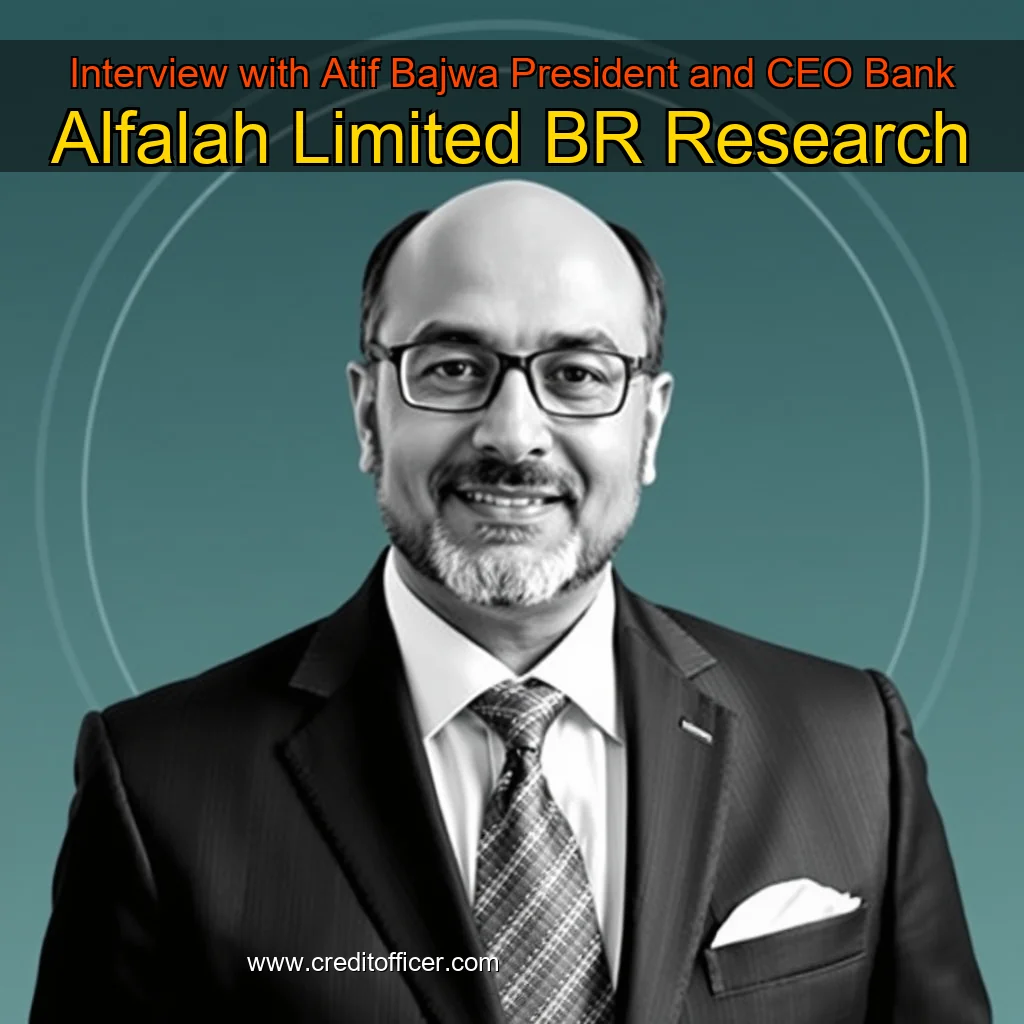
Atif Bajwa has been a driving force behind the transformation of these institutions, fostering a culture of innovation, excellence, and customer-centricity.
A Career of Visionary Leadership
Atif Bajwa’s journey in the banking sector began in 1988, when he joined Bank Alfalah as a management trainee. Over the years, he progressed through various roles, including Chief Executive Officer, Chief Operating Officer, and Chief Financial Officer.
Privatization sparks transformation in Pakistan’s banking sector.
The Evolution of Banking in Pakistan
The banking sector in Pakistan has undergone a significant transformation since its privatization in 2005.
The Shift in Lending Practices
This shift has significant implications for the banking industry and the economy as a whole. Here are some key points to consider:
The Role of Central Banks
Central banks have played a significant role in this shift. They have implemented policies to encourage banks to lend more to the private sector, but these efforts have been met with limited success. Here are some key points to consider:
The Need for Digital Transformation in Banking
The banking industry is at a crossroads, with the need for digital transformation becoming increasingly evident. As technology continues to advance, traditional banking methods are being disrupted by innovative solutions that prioritize convenience, accessibility, and efficiency.
The Banking Sector’s Role in Government Borrowing
The banking sector plays a crucial role in facilitating government borrowing in Pakistan. However, the sector’s capacity to absorb government borrowing is limited due to the constraints mentioned earlier. As a result, the government has been forced to explore alternative sources of borrowing.
Alternative Sources of Borrowing
The government has been relying on the following alternative sources of borrowing:
The Path to Rebalancing
The journey to rebalancing the banking sector’s investment portfolio is complex and requires a multifaceted approach. It involves several key steps that banks must take to ensure a gradual and sustainable rebalancing of their investments.
Key Steps to Rebalancing
These factors have led to a lack of confidence in banks’ ability to manage risk and recover debts.
The Impact of Project Financing on Pakistan’s Economy
Project financing has been largely absent in Pakistan over the past 15 years, resulting in a significant impact on the country’s economy. The lack of project financing has hindered the development of large-scale infrastructure projects, such as roads, bridges, and power plants.
Key Challenges Facing Project Financing in Pakistan
The Consequences of a Lack of Project Financing
The lack of project financing in Pakistan has had significant consequences for the country’s economy.
The Need for a Robust Financial System
Pakistan’s economy is heavily reliant on short-term financing, which can be volatile and unpredictable. The country needs a robust financial system that can absorb and manage long-term risks. This is where corporate bonds, pension funds, and sovereign wealth funds come into play.
Corporate Bonds: A Stable Source of Funding
Corporate bonds are a type of debt security issued by companies to raise capital.
Lacking Protections and Data, SMEs Struggle to Access Capital.
The Challenges of SME Lending
SME lending has faced numerous challenges in recent years, primarily due to the lack of effective foreclosure laws, inconsistent financial documentation, and limited credit risk assessment models. These challenges have hindered the growth of small and medium-sized enterprises (SMEs), making it difficult for them to access capital and expand their operations.
Weak Foreclosure Laws
One of the primary challenges facing SME lending is the lack of effective foreclosure laws. In many countries, foreclosure laws are outdated and do not provide adequate protection for lenders. This can lead to a situation where lenders are unable to recover their investments, resulting in a loss of confidence in the lending market. For example, in the United States, the 2008 financial crisis highlighted the need for stronger foreclosure laws. The crisis led to widespread defaults and foreclosures, which in turn led to a significant increase in non-performing loans. The lack of effective foreclosure laws contributed to the crisis, and it has since led to calls for reform.
Inconsistent Financial Documentation
Another challenge facing SME lending is inconsistent financial documentation. Many small businesses operate in the informal economy and do not maintain structured financial records. This can make it difficult for lenders to assess the creditworthiness of SMEs, as they lack the necessary information to make informed decisions. For instance, in many developing countries, small businesses often rely on cash-based transactions and do not maintain formal financial records.
The Importance of Banking in Economic Development
Banking plays a vital role in the economic development of a country. It provides a platform for individuals and businesses to save, invest, and access credit. A well-functioning banking system is essential for economic growth, as it facilitates the flow of capital, promotes entrepreneurship, and supports the development of infrastructure.
Transparency is key to unlocking growth in the banking industry.
The Importance of Financial Transparency
Financial transparency is a crucial aspect of the banking industry’s role in driving economic growth. Without it, the sector risks perpetuating inequality and undermining trust in financial institutions. The summit will highlight the need for greater transparency in financial reporting, including the disclosure of non-performing loans and other sensitive information. Key aspects of financial transparency include:
Regulatory Cooperation: A Key to Unlocking Growth
Regulatory cooperation is essential for creating a level playing field in the banking industry.