
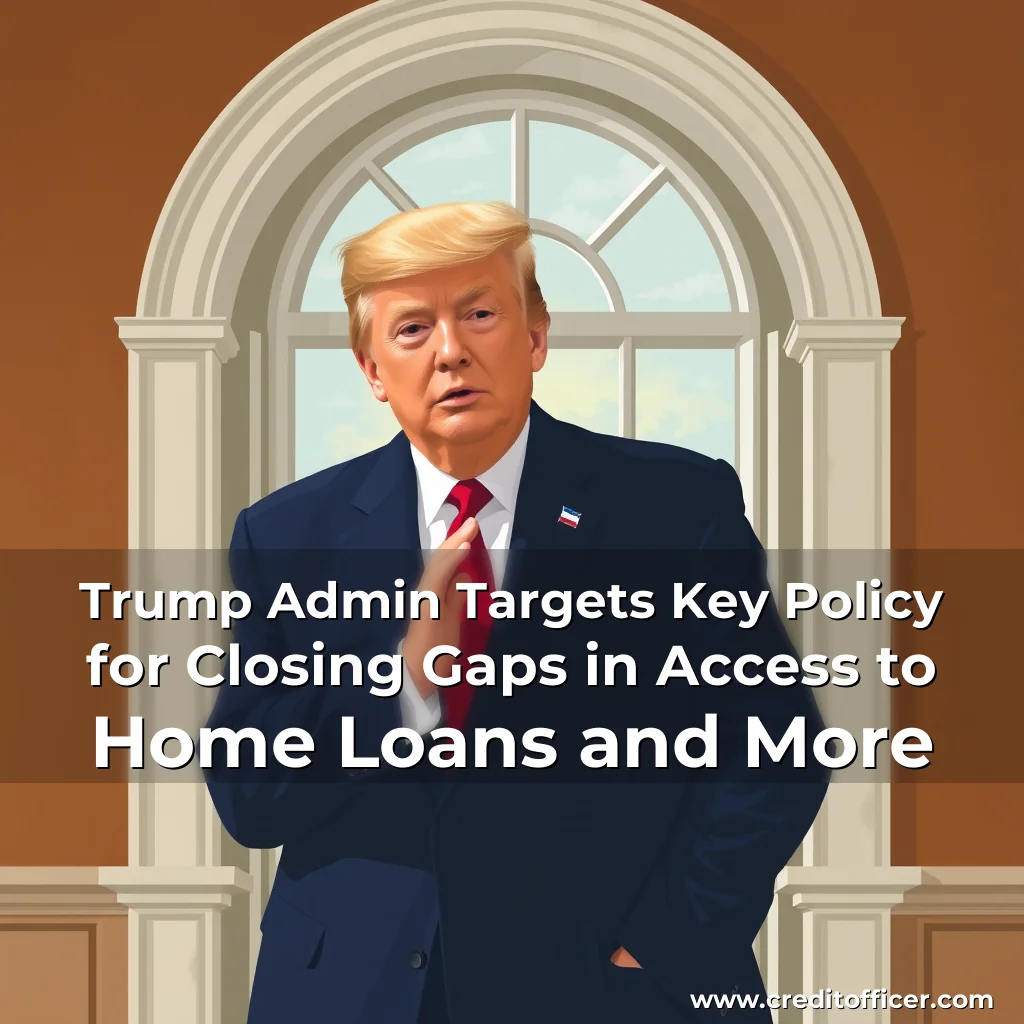
Special Purpose Credit Programs

These programs were created to address the historical disparities in access to credit faced by certain groups, such as African Americans, women, and minorities.

These programs have been shown to have a positive impact on the community, but they are often misunderstood or underutilized.

  • They provide access to capital for groups that may not have access to traditional credit sources.
  • They can help stimulate economic growth and development in underserved communities.
  • They can also help to promote financial inclusion and reduce poverty.
    Examples of Special Purpose Credit Programs
  • The Small Business Administration’s (SBA) Microloan Program, which provides small loans to small businesses and entrepreneurs.
  • The USDA’s Rural Business-Cooperative Service, which provides financing to rural businesses and cooperatives.
  • The National Minority Business Council’s (NMBC) Microfinance Program, which provides financing to minority-owned businesses.

    Nikki Beasley is the Director of the Federal Housing Finance Agency. The agency has been working to dismantle the Homeownership Voucher Program, which provides financial assistance to low-income families to help them purchase homes.

    There is no centralized database to track the number of loans extended to low-income households. There is no standardized way to measure the effectiveness of these programs.

  • *Establishing special purpose credit programs*: Banks are required to establish special purpose credit programs to provide affordable credit to low-income households.
  • *Providing affordable credit*: The programs must provide affordable credit to low-income households, with interest rates and fees that are comparable to those offered by other financial institutions.
  • *Targeting low-income households*: The programs must target low-income households, which are defined as households with incomes below 125% of the federal poverty level.
    Challenges and Concerns
  • Despite the good intentions behind the March 25 order, there are several challenges and concerns that need to be addressed.

    Inclusive finance leaders say terminating Fannie Mae and Freddie Mac’s support for special purpose credit programs may slow down existing programs that rely on Fannie and Freddie. It could also stifle interest from lenders who are considering whether to create new specialpurpose credit programs.

    Special Purpose Credit Programs

    These programs are designed to provide financial assistance to specific groups of people, such as small business owners, farmers, and low-income families.

    Understanding the Context

    The creation of special purpose credit programs has been a topic of discussion among regulators and industry stakeholders for several years. These programs aim to address specific community needs by providing financing options for unique or underserved populations. The Mortgage Bankers Association and National Fair Housing Alliance have collaborated to develop a toolkit that provides guidance for lenders to create these programs.

  • Ensuring that the program is fair and equitable, with no discriminatory practices or biases.
  • Providing access to credit for underserved populations, such as low-income or minority communities.
  • Ensuring that the program is transparent and accountable, with clear terms and conditions.
  • Providing education and outreach to potential borrowers, to ensure they understand the program’s terms and conditions.
    Regulatory Guidance
  • Regulators have issued multiple advisory statements and other documentation clarifying their stance on the appropriateness of special purpose credit programs. These statements emphasize the importance of ensuring that these programs are fair, equitable, and transparent.

  • Increased access to credit for underserved populations.
  • Improved financial stability and security for borrowers.
  • Enhanced reputation and credibility for lenders.
  • Opportunities for lenders to demonstrate their commitment to community development and social responsibility.
    Challenges and Considerations
  • Developing special purpose credit programs can be complex and challenging.

    The Community Reinvestment Act of 1977

    The Community Reinvestment Act of 1977 is a landmark legislation that has had a profound impact on the banking industry in the United States.

    The Origins of the Program

    The Union Bank’s special purpose credit program was created to address the lack of access to capital for underrepresented groups in the business world. At the time, many financial institutions were hesitant to lend to women, minorities, and veterans due to concerns about risk and profitability.

    Second, the program must provide a clear explanation of how the program will address the discrimination faced by these borrowers.

    Program Design and Criteria

    The special purpose credit program plan must clearly outline the program design, including the proposed loan criteria or terms. This includes the interest rates, loan amounts, and repayment terms. The plan must also specify the target market for the program, including the geographic area and the types of businesses or industries that will be served. • The plan should also include a detailed description of the program’s goals and objectives, including the expected outcomes and benefits.

    The Rise of Special Purpose Credit Programs

    Banks are increasingly using special purpose credit programs to reach customers who may not have been able to access traditional banking services.

    news

    news is a contributor at CreditOfficer. We are committed to providing well-researched, accurate, and valuable content to our readers.

    You May Also Like

    Artistic representation for Small Business Banking Pivots: WaFd Inc. Expands Its Footprint

    Small Business Banking Pivots: WaFd Inc. Expands Its Footprint

    The Seattle-based bank, WaFd Inc., has taken a significant step in its journey to expand its small business banking services,...

    Artistic representation for The Evolving Landscape of Mortgage Lending: Strategies, Risks, and Opportunities for Credit Officers

    The Evolving Landscape of Mortgage Lending: Strategies, Risks, and Opportunities for Credit Officers

    The Evolving Landscape of Mortgage Lending: Strategies, Risks, and Opportunities for Credit Officers Mortgage lending has undergone significant transformation over...

    Artistic representation for F . N . B . Corporation Schedules First Quarter 2025 Earnings Report And Conference Call!

    F . N . B . Corporation Schedules First Quarter 2025 Earnings Report And Conference Call!

    Morreale, will be presenting the results. The company will be releasing its first quarter 2025 financial results on Wednesday, April...

    Artistic representation for Collaboration in the Face of Complexity: The Mortgage Collaborative's Vision

    Collaboration in the Face of Complexity: The Mortgage Collaborative's Vision

    The mortgage industry is navigating unprecedented challenges, from the potential privatization of Fannie Mae and Freddie Mac to the rise...

    Leave a Reply

    About | Contact | Privacy Policy | Terms of Service | Disclaimer | Cookie Policy
    © 2026 CreditOfficer. All rights reserved.
    Important Disclaimer: The calculators and tools on CreditOfficer.com are provided for educational and informational purposes only. They should not be considered financial, legal, or professional advice. Results are estimates and actual loan terms, interest rates, and qualification requirements vary by lender and individual circumstances. Always consult with licensed financial professionals, loan officers, or credit counselors before making financial decisions. Past calculations do not guarantee future loan approval or terms.