Credit Scoring vs Alternatives: Complete Comparison
In today’s financial landscape, understanding credit scoring is essential for both lenders and borrowers. Credit scores are pivotal in determining loan eligibility, interest rates, and overall financial credibility. As the lending industry evolves, so too do the methodologies used to assess risk.
The debate between traditional credit scoring models and emerging alternatives has intensified as technology advances. This comparison explores how these systems differ, their advantages, and their implications for the future of credit assessment.
The Foundations of Traditional Credit Scoring
Credit scoring has been a cornerstone of the lending process for decades. It provides lenders with an objective method to evaluate the creditworthiness of applicants. The primary purpose of these models is to predict the likelihood that a borrower will repay a debt based on historical data.
Traditional credit scoring relies heavily on data from credit bureaus such as Equifax, Experian, and TransUnion. These agencies collect information on payment history, outstanding debts, and other relevant factors. By analyzing this data, lenders can make informed decisions regarding loan approvals and terms.
Payment History: One of the most significant components of a credit score is payment history. Lenders prioritize timely payments because they indicate responsibility and reliability. A single missed payment can significantly impact a borrower’s credit score.
Credit Utilization Ratio: Another critical factor is the credit utilization ratio, which measures how much of a person’s available credit they’re using. High utilization ratios may signal financial stress, potentially leading to higher interest rates or loan denials.
- Data Sources: Credit bureaus gather data from various sources including banks, credit card companies, and other creditors. This information is then compiled into reports that reflect an individual’s borrowing behavior over time.
- Score Ranges: Most credit scoring models operate within a standard range of 300 to 850 points. Higher scores generally correspond to better creditworthiness and lower risk for lenders.
Limits of Traditional Models: While effective, traditional credit scoring models have limitations. They often fail to consider individuals who lack a formal credit history, such as recent graduates or those relying solely on cash transactions.
Economic Conditions: Economic fluctuations can affect credit scores disproportionately. For instance, during economic downturns, even responsible borrowers might see their scores drop due to increased delinquencies across the board.
Emerging Alternatives to Traditional Credit Scoring
As technological advancements reshape industries, alternative methods of assessing creditworthiness are gaining traction. These new approaches leverage non-traditional data sources and advanced analytics to provide a more holistic view of an applicant’s financial health.
Alternatives include using utility bills, rental payments, and mobile phone contracts as indicators of reliability. These data points offer insight into regularity and consistency—traits that are crucial for predicting repayment behaviors.
Big Data Analytics: The rise of big data allows for more nuanced assessments by considering vast amounts of transactional data. Financial institutions now analyze spending patterns, income stability, and even social media activity to gauge creditworthiness.
Machine Learning Algorithms: Machine learning enhances predictive capabilities by continuously adapting to new data inputs. Unlike static models, these algorithms learn from each interaction, improving accuracy over time.
- Alternative Credit Bureaus: Companies like Innovis and Teletrack specialize in compiling alternative credit histories. Their databases include information on installment loans, rent payments, and other non-traditional financial activities.
- Fintech Solutions: Fintech firms are pioneering innovative solutions through apps that track user behavior, helping build credit profiles for those without traditional records. Platforms like Plaid integrate seamlessly with banking services to monitor real-time financial changes.
Diversity In Assessment: Alternative scoring methods promote inclusivity by acknowledging diverse financial backgrounds. Individuals previously excluded from mainstream credit systems now have opportunities to establish credible financial identities.
Risks And Challenges: Despite their benefits, these alternatives come with challenges. Ensuring data privacy and maintaining regulatory compliance are ongoing concerns for developers and users alike.
Comparative Analysis: Traditional vs. Alternative Methods
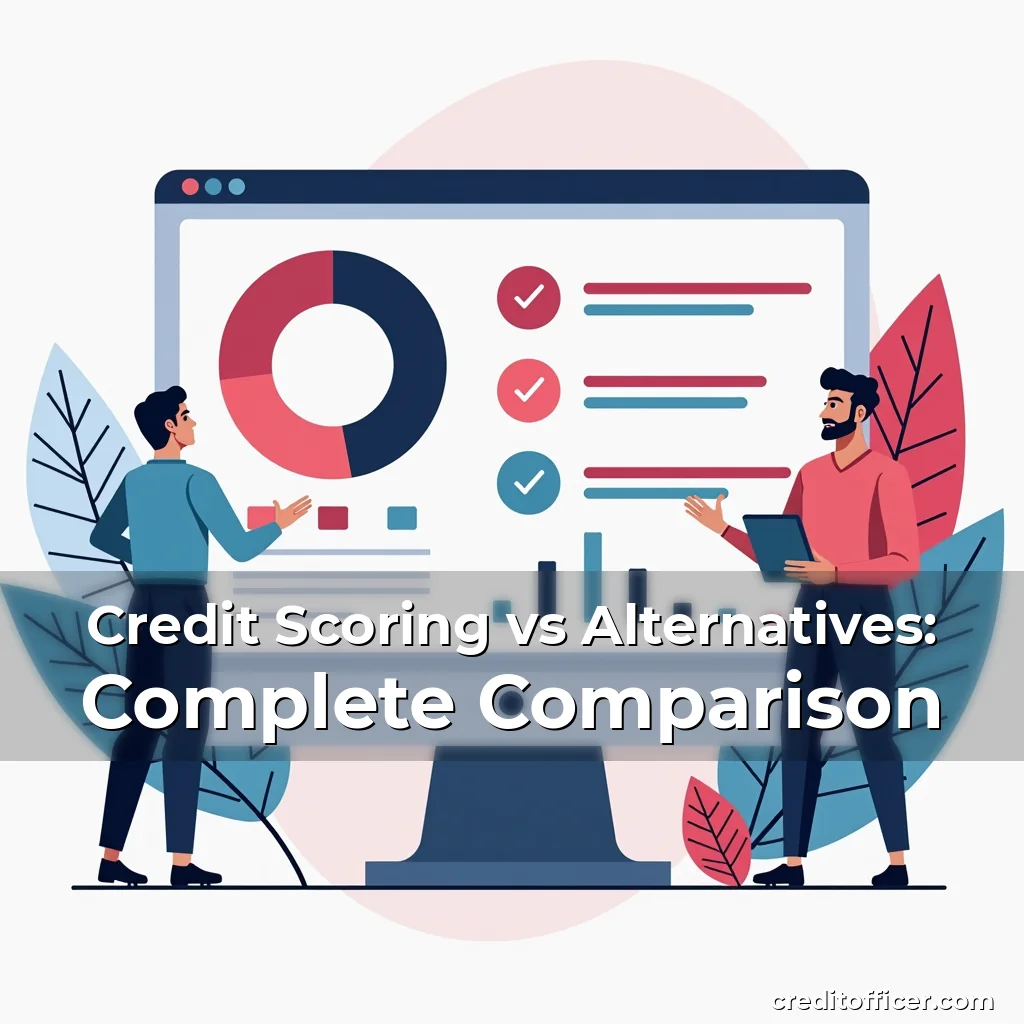
A direct comparison reveals distinct differences in approach and outcome between traditional and alternative credit scoring techniques. Understanding these distinctions helps stakeholders choose the most suitable model for their needs.
Traditional models rely primarily on past credit performance, whereas alternative methods incorporate broader behavioral metrics. This shift reflects changing consumer habits and access to digital platforms.
Predictive Accuracy: Studies show mixed results when comparing predictive accuracy. Some research suggests that alternative models perform equally well, while others argue that traditional models remain superior in certain contexts.
User Experience: From a customer perspective, alternative models often streamline application processes by reducing reliance on extensive documentation requirements typically associated with conventional applications.
- Accessibility: Alternative credit scoring increases accessibility for underbanked populations by utilizing alternative data sources not traditionally considered in scoring models.
- Speed Of Decision Making: Automated systems powered by machine learning allow quicker processing times compared to manual reviews common in traditional settings.
Adaptability To Change: Traditional models struggle with rapid societal shifts; however, adaptive technologies embedded in newer frameworks enable swift recalibration against evolving market conditions.
Regulatory Environment: Both types face scrutiny but under different regulations. Compliance standards vary widely depending upon jurisdiction and type of institution involved.
The Role Of Technology In Modernizing Credit Scoring
Technology plays an increasingly vital role in modernizing credit scoring practices. Innovations in artificial intelligence and blockchain promise transformative potential for enhancing transparency and efficiency.
Artificial Intelligence (AI) enables personalized credit evaluations by identifying complex correlations among disparate datasets. Predictive modeling becomes more accurate as AI learns from historical trends and current behaviors.
Blockchain Applications: Blockchain technology offers secure, immutable records of transactions that could revolutionize verification processes. Its decentralized nature ensures greater security against fraud while allowing seamless sharing of verified credentials across entities.
Data Integration Capabilities: Cloud computing facilitates centralized storage and retrieval of massive volumes of structured/unstructured data. Real-time analysis becomes feasible thanks to enhanced connectivity options provided by cloud infrastructure.
- Automated Underwriting Systems: These systems reduce human error and increase throughput capacity by automating key aspects of risk evaluation procedures.
- Mobile Accessibility: With growing smartphone penetration rates worldwide, mobile-first strategies ensure wider reach particularly among younger demographics less likely to engage via desktop interfaces.
Enhanced Customer Interaction: Interactive tools powered by chatbots assist customers throughout entire lifecycle stages—from initial inquiry through final approval stages.
Personalized Offers Based On Behavior: Behavioral analytics empower marketers to tailor product offerings specifically aligned with individual preferences identified through pattern recognition algorithms applied on collected usage metadata.
Implications For Consumers And Lenders
For consumers, improved credit scoring mechanisms mean more equitable treatment regardless of background or previous credit status. Transparent criteria help demystify what influences ratings thereby empowering informed decision-making.
Lenders benefit immensely from refined risk management strategies afforded by sophisticated analytical tools. Better segmentation leads to optimized pricing structures benefiting all parties engaged in financial exchanges.
Consumer Empowerment Through Transparency: Detailed breakdowns explaining score determinants foster trust relationships built upon mutual understanding rather than opaque algorithmic black boxes.
Customizable Products Matching Consumer Profiles: Tailored financial products align precisely with target audience segments defined by demographic characteristics matched closely with psychographic traits.
- Better Risk Mitigation Strategies: Advanced analytics support early detection mechanisms capable of flagging problematic accounts before issues escalate beyond recoverable thresholds.
- Increased Market Competition: Greater availability of affordable financing options stimulates healthy competition amongst providers driving down costs while raising service quality benchmarks globally.
Educational Initiatives Supporting Financial Literacy: Educational campaigns aimed at promoting sound fiscal management skills equip future generations adequately prepared navigate complexities inherent within contemporary monetary ecosystems.
Sustainable Growth Pathways Enabled By Accurate Assessments: Precise measurement instruments facilitate long-term strategic planning enabling organizations achieve sustainable growth objectives aligned harmoniously with environmental stewardship principles advocated universally nowadays.
Ethical Considerations In Credit Scoring Practices
While innovations enhance functionality, ethical considerations must accompany progress. Fairness, bias prevention, and data protection become paramount responsibilities shared jointly by technologists and policymakers.
Ensuring fair representation requires constant vigilance against discriminatory tendencies embedded unintentionally within coding logic itself. Regular audits verify whether underlying assumptions accurately reflect reality without perpetuating existing inequalities.
Data Privacy Protections: Robust encryption protocols safeguard sensitive personal information preventing unauthorized access attempts that could compromise confidential details held securely behind layers of defense architecture.
Transparency Requirements Regarding Algorithm Usage: Clear communication channels detailing exactly how automated systems arrive at conclusions maintain public confidence necessary for widespread adoption acceptance levels required for systemic change implementations successfully executed nationwide scale operations effectively.
- Algorithmic Accountability Measures: Implementing oversight committees tasked explicitly with monitoring ongoing performances guarantee continuous improvement cycles ensuring sustained relevance amidst ever-evolving technological landscapes.
- Diverse Representation Within Development Teams: Including varied perspectives during design phases minimizes blind spots resulting from homogenous groupthink ultimately producing balanced outputs reflective true diversity found naturally occurring environments.
Evaluating Impact On Marginalized Groups: Proactive engagement initiatives involving affected communities ascertain genuine needs addressed comprehensively instead merely superficially acknowledged passing mentions included incidentally within larger narratives lacking depth required meaningful transformation actualizations achieved concretely verifiable outcomes measurable objectively quantified benchmarks established collaboratively mutually agreed targets pursued collectively toward common goals.
Legal Framework Support Necessary For Ethical Implementation: Establishing clear legal guidelines defining acceptable boundaries prevent exploitation scenarios arising misuse situations otherwise unchecked left unregulated creating dangerous precedents detrimental long-term societal fabric integrity upheld consistently maintained uniformly applicable standards enforced rigorously monitored periodically reviewed updated accordingly reflecting latest developments impacting field dynamically shifting rapidly changing global context.
Trends Shaping Future Directions In Credit Scoring
Ongoing research identifies several promising trends poised to redefine credit scoring paradigms profoundly altering current operational norms permanently embedded within institutional frameworks governing financial interactions globally.
One notable trend involves integrating biometric authentication features enhancing identity validation processes significantly strengthening fraud deterrence capabilities inherently linked closely together forming inseparable triad relationship influencing success probabilities directly correlated effectiveness demonstrated consistently proven repeatedly evidenced extensively documented thoroughly analyzed meticulously scrutinized subjected rigorous peer review validations affirming reliability authenticity credibility assured confidently.
Expanding Non-Traditional Metrics Scope: Broader inclusion criteria encompassing unconventional yet valid indicators augment richness complexity dimensions explored further expanding horizons possibilities uncovered exploring novel avenues previously deemed impractical impossible owing limitations imposed arbitrarily self-imposed constraints restricting scope unnecessarily narrowing focus prematurely concluding investigations prematurely terminating exploratory journeys cut short prematurely abandoning pursuit altogether despite latent potentials awaiting discovery realization fruition.
Collaboration Between Public Sector Entities & Private Industry Players: Joint ventures fostering knowledge exchange cultivate synergistic effects amplifying collective wisdom pooling resources expertise accelerating innovation trajectories exponentially surpassing isolated efforts constrained internally limiting scalability replicability adaptability required achieving breakthrough milestones recognized internationally acclaimed celebrated publicly acknowledged formally recognized academically validated officially endorsed certified legitimate authoritative sources.
- Open Banking Regulations Facilitating Enhanced Interoperability: Open banking mandates compel institutions share data transparently increasing interoperability across platforms enabling smoother transitions facilitating migration processes minimizing disruption experienced during system integration phases.
- Real-Time Transaction Monitoring Enhancing Fraud Detection Efficiency: Continuous surveillance detects anomalies instantly mitigating losses promptly responding proactively addressing threats head-on averting escalation scenarios turning potential crises manageable incidents resolved swiftly efficiently effectively.
Global Standardization Efforts Addressing Cross-Border Transactions: Harmonizing international standards simplifies multinational dealings reducing friction encountered navigating disparate regulatory regimes enhancing cross-border commerce fluidity expediting settlement procedures streamlining logistics managing supply chains optimizing resource allocations maximizing returns realizing efficiencies previously elusive challenging attaining desired objectives consistently reliably sustainably.
Inclusive Finance Goals Driving Technological Innovation: Pursuit inclusive finance agendas motivates development tailored solutions catering underserved segments overlooked neglected historically marginalized groups finally reaching them bringing them aboard integrating fully into ecosystem contributing actively participating thriving alongside existing players coexisting symbiotically mutually beneficial relationships forged organically naturally emerging spontaneously without forced imposition external pressure artificially constructed environments.
Conclusion
Credit scoring remains a dynamic field influenced by technological evolution and changing consumer expectations. Whether through traditional means or innovative alternatives, the goal remains consistent: providing reliable assessments that inform wise financial decisions.
As we look ahead, embracing flexibility in methodology combined with ethical diligence promises continued improvements in fairness, accessibility, and efficiency. Stakeholders across sectors stand united in advancing this mission towards more inclusive, resilient financial systems.

news is a contributor at CreditOfficer. We are committed to providing well-researched, accurate, and valuable content to our readers.