The Art and Science of Financial Lending in Modern Banking
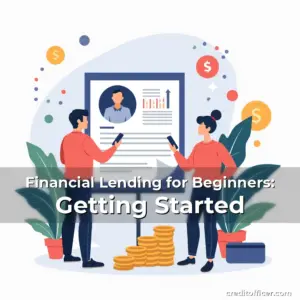
In today’s dynamic financial landscape, understanding the intricacies of financial lending has become essential for both seasoned credit officers and aspiring professionals. This article delves deep into the world of loan origination, risk assessment, and regulatory compliance to equip you with the knowledge required to excel in this ever-evolving field.
Whether you’re navigating personal loans, commercial financing, or mortgage underwriting, mastering the fundamentals of financial lending can significantly enhance your ability to make informed decisions that benefit both lenders and borrowers alike.
Fundamentals of Loan Origination
Loan origination forms the cornerstone of any lending institution’s operations. It involves evaluating potential borrowers’ creditworthiness through a meticulous process that considers various factors such as income stability, employment history, and existing debt obligations.
A well-established loan origination system ensures that only qualified applicants receive funding while minimizing the risk of default. Credit officers play a pivotal role in this stage by thoroughly analyzing each application before approving it.
- Credit Score Analysis: A borrower’s credit score provides critical insight into their repayment behavior and reliability.
- Debt-to-Income Ratio Evaluation: Assessing how much debt an individual carries relative to their income helps determine their capacity to repay new loans responsibly.
Risk Assessment Frameworks
Evaluating risk effectively is crucial for maintaining healthy portfolios within banking institutions. Various frameworks have been developed over time to help credit officers gauge the likelihood of default accurately.
One widely used method involves utilizing statistical models that analyze historical data from past loan performances to predict future outcomes based on similar patterns observed previously.
- Probability of Default Models: These models calculate the chances that a particular borrower might fail to meet their repayment commitments.
- Loss Given Default Calculations: Estimating potential losses incurred when defaults occur allows banks to set aside adequate reserves against possible bad debts.
Regulatory Compliance in Lending Practices
Compliance with legal regulations not only protects consumers but also safeguards the integrity of financial systems globally. Regulatory bodies impose strict guidelines aimed at preventing predatory practices and ensuring transparency across all levels of operation.
Failure to adhere strictly to these rules could result in severe penalties including fines, loss of license, or even criminal charges depending upon jurisdictional specifics.
- Truth in Lending Act (TILA): Mandates clear disclosure regarding interest rates, fees associated with borrowing money, among other relevant terms.
- Equal Credit Opportunity Act (ECOA): Prohibits discrimination against applicants based on race, gender, age, marital status, etc., promoting fair access to credit facilities everywhere.
Digital Transformation in Lending Processes
The rise of fintech companies has revolutionized traditional methods employed by conventional banks offering loans. Digital platforms now enable faster processing times, real-time decision making capabilities, and enhanced customer experiences overall.
Banks are increasingly adopting artificial intelligence tools which assist in automating routine tasks related to screening applications thereby reducing human error margins considerably during initial stages of evaluation.
- AI-Powered Underwriting Systems: Help automate parts of the manual review processes traditionally handled solely by experienced analysts.
- Blockchain Technology Applications: Provide secure means for storing sensitive information electronically without compromising privacy concerns faced earlier due to paper-based record keeping approaches.
Mortgage Lending Dynamics
Mortgage lending remains one of the most significant segments within residential finance markets worldwide. Understanding its complexities requires familiarity with different types available along with current market trends affecting them substantially right now.
Fixed-rate mortgages offer predictable monthly payments whereas adjustable rate ones fluctuate according to prevailing economic conditions impacting housing prices directly. Choosing between options depends largely on individual preferences regarding certainty versus flexibility respectively.
- Conventional Mortgages: Typically require down payment percentages ranging from 5% up to 20%, depending upon lender policies followed closely by government sponsored entities providing alternative solutions too.
- FHA Loans: Offer lower minimum down payment requirements especially beneficial for first-time homebuyers seeking affordable entry points into ownership opportunities otherwise unattainable otherwise.
Commercial Financing Options
Businesses often rely heavily on commercial financing arrangements designed specifically towards meeting operational needs spanning short term cash flow gaps through long-term expansion projects requiring substantial capital investments upfront.
Lines of credit provide flexible alternatives allowing firms easy access whenever needed unlike installment plans where fixed schedules dictate usage limits regardless of immediate demands encountered periodically throughout business cycles.
- Term Loans: Suitable for acquiring assets like machinery or equipment necessary for production purposes; usually paid back gradually over several years period.
- SBA Loans: Backed by U.S Department Of Commerce’S Small Business Administration guaranteeing repayment support thus encouraging banks willingness take risks involving small enterprises whose failure probabilities tend higher compared larger corporations generally speaking.
Personal Loan Characteristics & Considerations
Personal loans cater primarily toward individuals looking funds covering diverse expenses ranging from medical bills, vacations, educational pursuits, debt consolidation efforts amongst others frequently cited reasons behind seeking external assistance financially.
Unlike secured forms tied explicitly certain collateral items, unsecured versions pose greater risk exposure necessitating rigorous vetting procedures prior approval granted unless exceptional circumstances justify exceptions made occasionally.
- Interest Rate Structures: Vary depending upon applicant profiles determined mainly via credit scores combined with additional parameters influencing final figures decided ultimately after thorough reviews conducted meticulously every case separately.
- Repayment Terms: Usually structured around standardized periods typically varying from twelve months extending beyond five year mark although variations exist regionally influenced local laws governing consumer protections implemented therein.
Emerging Trends Shaping Future Directions
Several transformative forces currently shaping evolution trajectories within sector include increasing emphasis placed upon sustainability goals integrating environmental considerations alongside traditional metrics utilized previously exclusively focused purely monetary gains pursued relentlessly irrespective consequences borne socially ecologically environmentally later.
Growing awareness surrounding climate change issues coupled technological advancements enabling better monitoring activities undertaken responsible corporate citizens contribute positively direction taken forward collectively industry participants aiming achieve balance sustainable growth objectives simultaneously fulfilling bottom line expectations maintained consistently over extended durations ahead.
- Green Finance Initiatives: Encourage investment flows directed toward eco-friendly ventures promising reduced carbon footprints alongside competitive returns achievable reasonably comparable conventional counterparts previously dominating mainstream offerings available publicly traded securities exchanges accessible globally.
- Fintech Innovations: Continuously introduce novel solutions addressing pain points identified commonly across varied demographic groups seeking improved accessibility affordability convenience features embedded naturally intuitive interfaces facilitating seamless interactions enhancing user satisfaction levels achieved rapidly surpassing previous benchmarks established historically within legacy systems dominated incumbents controlling majority shares marketplaces concerned predominantly services rendered digitally nowadays.
Conclusion
The realm of financial lending continues evolving rapidly driven innovations emerging regularly altering paradigms once considered immutable constants guiding actions taken routinely everyday situations encountered constantly professionals engaged actively daily dealings facilitated smoothly thanks robust infrastructures supporting efficiently numerous functions executed seamlessly background unnoticed consciously until challenges arise demanding attention urgently resolved promptly appropriately.
To thrive amidst ongoing transformations sweeping through domain comprehensively grasping nuances underlying complex mechanisms governing interplay relationships between stakeholders involved imperative step forward ensuring longevity success measured against standards defined jointly regulators practitioners customers benefiting mutually cooperative environment cultivated deliberately nurtured assiduously maintained continuously reinforced through collective endeavors dedicated pursuit excellence synonymous mastery discipline par excellence.
“`<|End of output|>“`
The Art and Science of Financial Lending in Modern Banking
In today’s dynamic financial landscape, understanding the intricacies of financial lending has become essential for both seasoned credit officers and aspiring professionals. This article delves deep into the world of loan origination, risk assessment, and regulatory compliance to equip you with the knowledge required to excel in this ever-evolving field.
Whether you’re navigating personal loans, commercial financing, or mortgage underwriting, mastering the fundamentals of financial lending can significantly enhance your ability to make informed decisions that benefit both lenders and borrowers alike.
Fundamentals of Loan Origination
Loan origination forms the cornerstone of any lending institution’s operations. It involves evaluating potential borrowers’ creditworthiness through a meticulous process that considers various factors such as income stability, employment history, and existing debt obligations.
A well-established loan origination system ensures that only qualified applicants receive funding while minimizing the risk of default. Credit officers play a pivotal role in this stage by thoroughly analyzing each application before approving it.
- Credit Score Analysis: A borrower’s credit score provides critical insight into their repayment behavior and reliability.
- Debt-to-Income Ratio Evaluation: Assessing how much debt an individual carries relative to their income helps determine their capacity to repay new loans responsibly.
Risk Assessment Frameworks
Evaluating risk effectively is crucial for maintaining healthy portfolios within banking institutions. Various frameworks have been developed over time to help credit officers gauge the likelihood of default accurately.
One widely used method involves utilizing statistical models that analyze historical data from past loan performances to predict future outcomes based on similar patterns observed previously.
- Probability of Default Models: These models calculate the chances that a particular borrower might fail to meet their repayment commitments.
- Loss Given Default Calculations: Estimating potential losses incurred when defaults occur allows banks to set aside adequate reserves against possible bad debts.
Regulatory Compliance in Lending Practices
Compliance with legal regulations not only protects consumers but also safeguards the integrity of financial systems globally. Regulatory bodies impose strict guidelines aimed at preventing predatory practices and ensuring transparency across all levels of operation.
Failure to adhere strictly to these rules could result in severe penalties including fines, loss of license, or even criminal charges depending upon jurisdictional specifics.
- Truth in Lending Act (TILA): Mandates clear disclosure regarding interest rates, fees associated with borrowing money, among other relevant terms.
- Equal Credit Opportunity Act (ECOA): Prohibits discrimination against applicants based on race, gender, age, marital status, etc., promoting fair access to credit facilities everywhere.
Digital Transformation in Lending Processes
The rise of fintech companies has revolutionized traditional methods employed by conventional banks offering loans. Digital platforms now enable faster processing times, real-time decision making capabilities, and enhanced customer experiences overall.
Banks are increasingly adopting artificial intelligence tools which assist in automating routine tasks related to screening applications thereby reducing human error margins considerably during initial stages of evaluation.
- AI-Powered Underwriting Systems: Help automate parts of the manual review processes traditionally handled solely by experienced analysts.
- Blockchain Technology Applications: Provide secure means for storing sensitive information electronically without compromising privacy concerns faced earlier due to paper-based record keeping approaches.
Mortgage Lending Dynamics
Mortgage lending remains one of the most significant segments within residential finance markets worldwide. Understanding its complexities requires familiarity with different types available along with current market trends affecting them substantially right now.
Fixed-rate mortgages offer predictable monthly payments whereas adjustable rate ones fluctuate according to prevailing economic conditions impacting housing prices directly. Choosing between options depends largely on individual preferences regarding certainty versus flexibility respectively.
- Conventional Mortgages: Typically require down payment percentages ranging from 5% up to 20%, depending upon lender policies followed closely by government sponsored entities providing alternative solutions too.
- FHA Loans: Offer lower minimum down payment requirements especially beneficial for first-time homebuyers seeking affordable entry points into ownership opportunities otherwise unattainable otherwise.
Commercial Financing Options
Businesses often rely heavily on commercial financing arrangements designed specifically towards meeting operational needs spanning short term cash flow gaps through long-term expansion projects requiring substantial capital investments upfront.
Lines of credit provide flexible alternatives allowing firms easy access whenever needed unlike installment plans where fixed schedules dictate usage limits regardless of immediate demands encountered periodically throughout business cycles.
- Term Loans: Suitable for acquiring assets like machinery or equipment necessary for production purposes; usually paid back gradually over several years period.
- SBA Loans: Backed by U.S Department Of Commerce’S Small Business Administration guaranteeing repayment support thus encouraging banks willingness take risks involving small enterprises whose failure probabilities tend higher compared larger corporations generally speaking.
Personal Loan Characteristics & Considerations
Personal loans cater primarily toward individuals looking funds covering diverse expenses ranging from medical bills, vacations, educational pursuits, debt consolidation efforts amongst others frequently cited reasons behind seeking external assistance financially.
Unlike secured forms tied explicitly certain collateral items, unsecured versions pose greater risk exposure necessitating rigorous vetting procedures prior approval granted unless exceptional circumstances justify exceptions made occasionally.
- Interest Rate Structures: Vary depending upon applicant profiles determined mainly via credit scores combined with additional parameters influencing final figures decided ultimately after thorough reviews conducted meticulously every case separately.
- Repayment Terms: Usually structured around standardized periods typically varying from twelve months extending beyond five year mark although variations exist regionally influenced local laws governing consumer protections implemented therein.
Emerging Trends Shaping Future Directions
Several transformative forces currently shaping evolution trajectories within sector include increasing emphasis placed upon sustainability goals integrating environmental considerations alongside traditional metrics utilized previously exclusively focused purely monetary gains pursued relentlessly irrespective consequences borne socially ecologically environmentally later.
Growing awareness surrounding climate change issues coupled technological advancements enabling better monitoring activities undertaken responsible corporate citizens contribute positively direction taken forward collectively industry participants aiming achieve balance sustainable growth objectives simultaneously fulfilling bottom line expectations maintained consistently over extended durations ahead.
- Green Finance Initiatives: Encourage investment flows directed toward eco-friendly ventures promising reduced carbon footprints alongside competitive returns achievable reasonably comparable conventional counterparts previously dominating mainstream offerings available publicly traded securities exchanges accessible globally.
- Fintech Innovations: Continuously introduce novel solutions addressing pain points identified commonly across varied demographic groups seeking improved accessibility affordability convenience features embedded naturally intuitive interfaces facilitating seamless interactions enhancing user satisfaction levels achieved rapidly surpassing previous benchmarks established historically within legacy systems dominated incumbents controlling majority shares marketplaces concerned predominantly services rendered digitally nowadays.
Conclusion
The realm of financial lending continues evolving rapidly driven innovations emerging regularly altering paradigms once considered immutable constants guiding actions taken routinely everyday situations encountered constantly professionals engaged actively daily dealings facilitated smoothly thanks robust infrastructures supporting efficiently numerous functions executed seamlessly background unnoticed consciously until challenges arise demanding attention urgently resolved promptly appropriately.
To thrive amidst ongoing transformations sweeping through domain comprehensively grasping nuances underlying complex mechanisms governing interplay relationships between stakeholders involved imperative step forward ensuring longevity success measured against standards defined jointly regulators practitioners customers benefiting mutually cooperative environment cultivated deliberately nurtured assiduously maintained continuously reinforced through collective endeavors dedicated pursuit excellence synonymous mastery discipline par excellence.

news is a contributor at CreditOfficer. We are committed to providing well-researched, accurate, and valuable content to our readers.