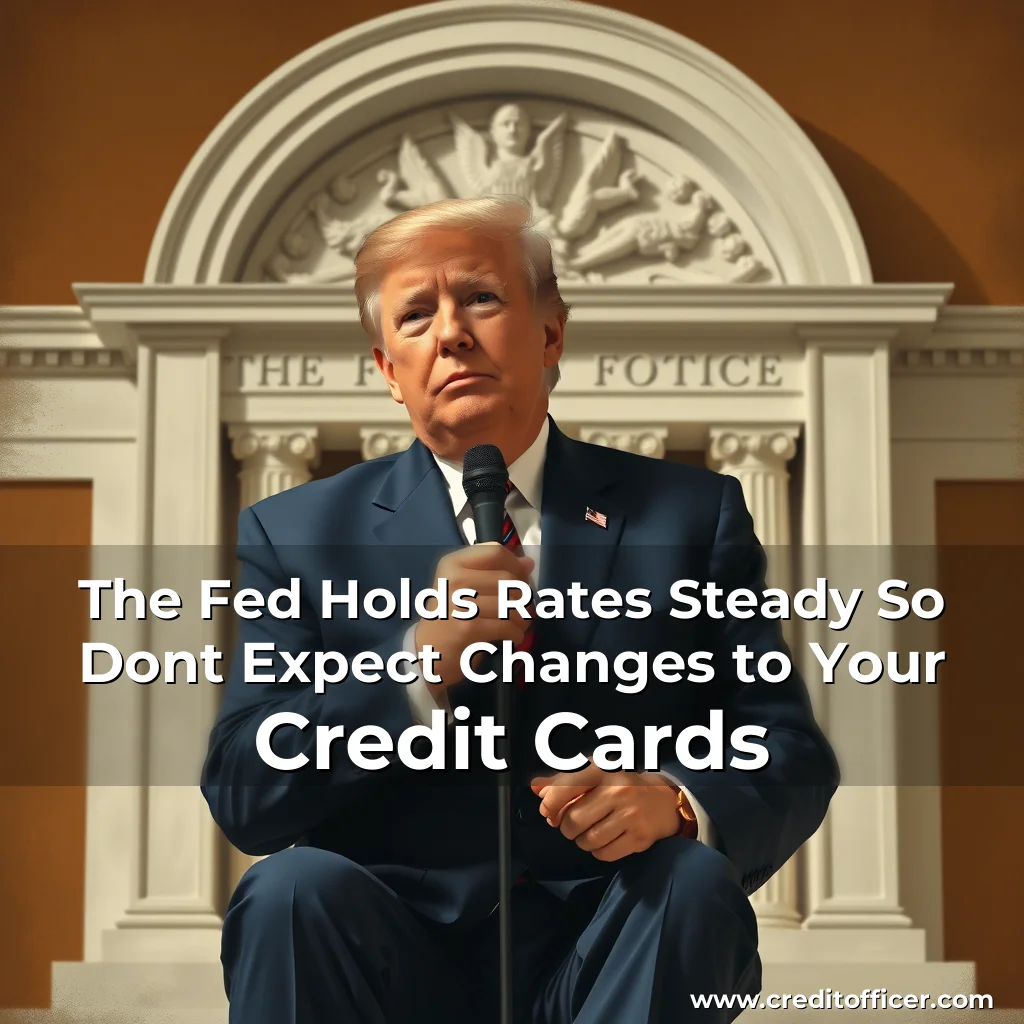
When the Fed raises interest rates, borrowing becomes more expensive, and consumers are less likely to take on debt. The Federal Reserve’s decision to keep interest rates steady is a response to the current economic climate. The central bank is closely monitoring the inflation rate, which has been steadily increasing over the past few months.
This could lead to a decrease in borrowing rates for consumers, which could have a positive impact on the economy.
Understanding Your APR
Your APR, or Annual Percentage Rate, is the interest rate charged on your outstanding balance when you’re not making payments.
Don’t ignore your debt, but don’t pay more than you can afford either.
Managing Debt with Credit Cards
Understanding the Risks
Credit cards can be a convenient and flexible way to make purchases, but they also come with risks. If not managed properly, credit card debt can quickly spiral out of control, leading to financial difficulties and stress. • High interest rates: Credit cards often come with high interest rates, which can make it difficult to pay off the balance. • Fees: In addition to interest rates, credit cards may also come with fees, such as late fees, foreign transaction fees, and balance transfer fees.
Understanding the Consequences of Missing Payments
Missing payments can have severe consequences on your credit score and financial well-being. It is essential to understand the potential outcomes of late payments to avoid any negative impacts on your credit report. • Damage to credit score*
Missing payments can lead to a significant decrease in your credit score, which can make it challenging to obtain credit in the future.
The Psychology of Cash vs. Credit Cards
When it comes to making purchases, the choice between cash and credit cards can have a significant impact on our spending habits.
Benefits of Using a P2P Payment App
P2P payment apps have revolutionized the way we make transactions, offering numerous benefits that make them an attractive option for individuals and businesses alike. • Convenience: P2P payment apps allow users to send and receive payments quickly and easily, without the need for physical currency or checks.
The snowball method involves paying off the smallest balance first, while the avalanche method involves paying off the balance with the highest interest rate first.
The Snowball Method
The snowball method is often recommended for those who need a psychological boost from quickly paying off smaller balances. This approach can provide a sense of accomplishment and momentum as you eliminate smaller debts. • Pay off the smallest balance first*
The Avalanche Method
The avalanche method is often recommended for those who want to save money on interest payments. This approach can save you the most money in interest over time. • Pay off the balance with the highest interest rate first*
Combining the Methods
Some people find that combining the snowball and avalanche methods works best for them.
Prioritizing Debt Repayment
When it comes to paying off debt, there are two main approaches: the debt avalanche and the debt snowball.
This can be a great way to save money on interest charges and pay off your debt faster.
How Balance Transfer Credit Cards Work
A balance transfer credit card allows you to transfer a balance from another card to the new card, and then pay it off with no interest for a set period of time. For example, let’s say you have a credit card with a balance of $5,000 and an interest rate of 18%. If you transfer that balance to a balance transfer credit card with a 0% interest rate for 12 months, you can pay off the balance without paying any interest.
Understanding the Risks of Balance Transfer Offers
When a credit card company offers a balance transfer, it’s often a tempting deal. The idea of saving money on interest charges by transferring your existing balance to a new card with a lower APR can be very appealing. However, there are risks involved that you should be aware of before making a decision.
Despite the risks, balance transfer offers can be a great way to save money on interest charges.
A personal loan can provide a more affordable and flexible option for managing debt.
Understanding the Benefits of Credit Cards
Credit cards can be a valuable tool for managing finances, but they can also lead to debt and financial difficulties if not used responsibly.
The High Cost of Credit Card Debt
Credit card debt can be a significant burden, with interest rates that can be as high as 20% or more. This can lead to a vicious cycle of debt, where the amount owed grows exponentially, making it difficult to pay off the balance.
Paying off debt is essential for maintaining financial stability and security.
Side Hustles for Financial Freedom
The Power of a Side Hustle
A side hustle is a part-time business or freelance work that can help you earn extra money and achieve financial freedom. It’s a way to diversify your income streams and reduce your reliance on a single source of income.
You can sell items on eBay, Craigslist, or Facebook Marketplace.
Having an emergency fund can provide peace of mind and financial security.
Understanding the Consequences of Debt
Debt can have far-reaching consequences on an individual’s financial well-being, relationships, and overall quality of life. The weight of debt can be overwhelming, leading to feelings of anxiety, stress, and hopelessness. • Financial stress: Debt can cause significant financial stress, making it difficult to make ends meet, pay bills, and cover essential expenses. • Impact on relationships: Debt can strain relationships with family and friends, leading to feelings of guilt, shame, and resentment. • Reduced credit score: Missed payments and high credit utilization can negatively impact credit scores, making it challenging to obtain credit in the future.

news is a contributor at CreditOfficer. We are committed to providing well-researched, accurate, and valuable content to our readers.