The Impact of Rate Cuts on the Economy
The recent decision by the Sarb to cut interest rates by 25 basis points is a significant move that has sparked both optimism and concern among economists and consumers alike. The rate cut is the third in six months, and it has been interpreted as a response to the economic slowdown.
Understanding the Context
To grasp the implications of the rate cut, it is essential to understand the current economic context. The global economy has been facing a slowdown, with many countries experiencing a decline in economic growth. This has led to a decrease in consumer spending, which in turn has affected businesses and the overall economy. The slowdown has also led to a rise in unemployment, with many countries experiencing a rise in job losses. The decrease in consumer spending has resulted in a decline in economic growth, with many countries experiencing a contraction in GDP. The slowdown has also led to a decrease in business investment, as companies become more cautious about investing in new projects.
The Effects of Rate Cuts on Consumers
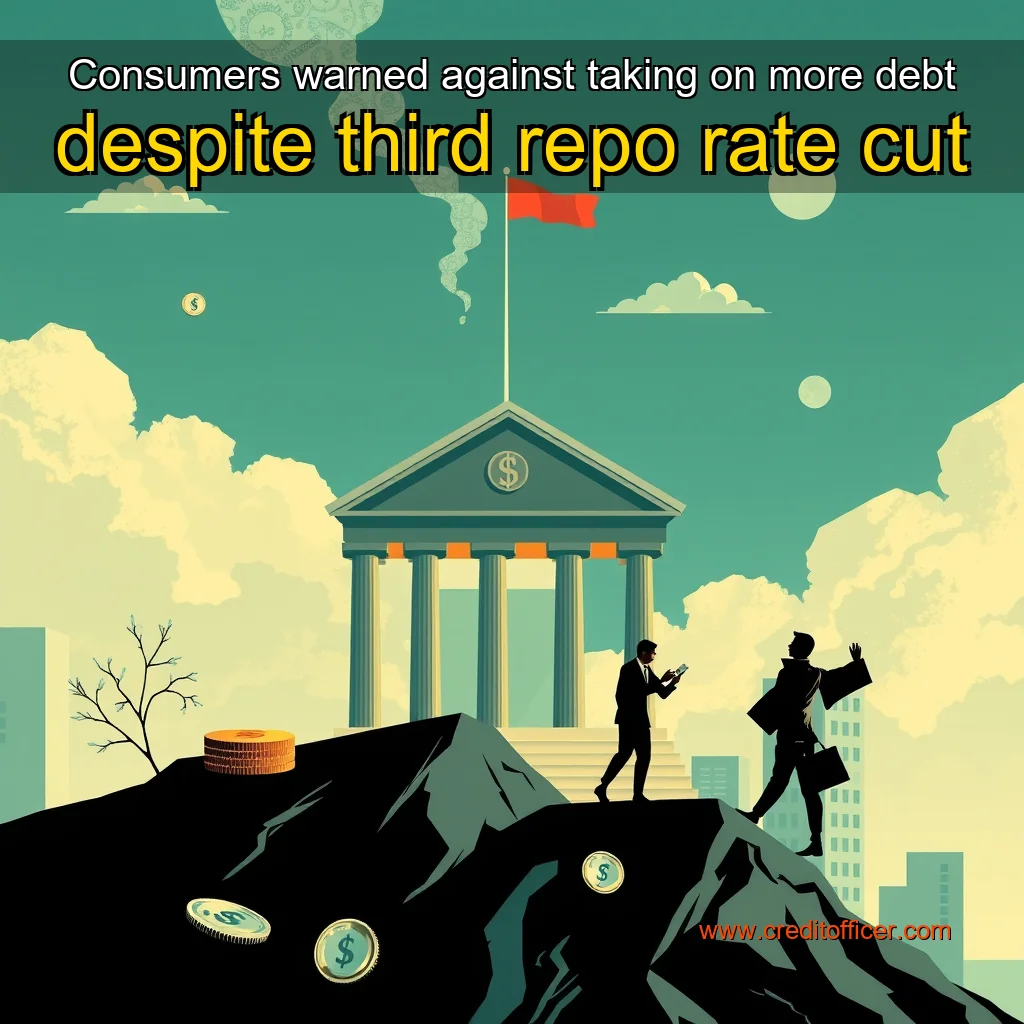
The rate cut is expected to have both positive and negative effects on consumers. On the one hand, the lower interest rates will make borrowing cheaper, which will allow consumers to take on more debt and spend more. This will lead to an increase in consumer spending, which will boost economic growth. However, consumers are warned not to take on more debt, as this can lead to financial difficulties.*
The Effects of Rate Cuts on Businesses
The rate cut is also expected to have both positive and negative effects on businesses.
“The reduction in interest rates has created a false sense of security, and consumers should not assume that they can afford to spend more or take on more debt,” she cautions.
The Impact of Lower Interest Rates on Cash Flow
Lower interest rates have led to a significant reduction in borrowing costs for consumers. This decrease in interest rates has resulted in lower monthly repayments, making it easier for individuals to manage their finances. However, this reduction in interest rates has also created a false sense of security among consumers.
The Risks of Complacency
Consumers may feel that they can now afford to spend more or take on more debt, but this is not necessarily the case. Ester Ochse, product head at FNB Integrated Advice, warns that consumers should not assume that they can afford to spend more or take on more debt.
Understanding the Impact of Lower Interest Rates
Lower interest rates can have a significant impact on consumers, particularly those who are already struggling financially. When interest rates drop, it can be a double-edged sword for those who are trying to manage their debt. On one hand, lower interest rates can make it easier for consumers to pay off their debts, as the amount of interest they owe decreases. However, on the other hand, lower interest rates can also lead to lower returns on savings, which can be a significant concern for those who rely on their savings to cover unexpected expenses.
The Risks of Taking on More Debt
Consumers who are already struggling financially should be cautious when considering taking on more debt. If you are already stretched financially, further debt could lead to instability, making it even more difficult to manage your finances. This is because taking on more debt can lead to a vicious cycle of debt, where the interest on your existing debts is higher than the interest on your new debt, making it even harder to pay off your debts. Higher interest rates on existing debts
The Impact on Savings
Lower interest rates can also have a significant impact on consumers who rely on their savings to cover unexpected expenses. When interest rates drop, the returns on savings decrease, which can be a significant concern for those who rely on their savings to cover unexpected expenses.
Lower interest rates can save you thousands of dollars in interest payments over time.
Lower Interest Rates and Debt Repayment
Lower interest rates can significantly impact your debt repayment strategy. When interest rates are low, you can pay less interest on your debt, which can help you pay off the principal amount faster. This is because a lower interest rate means that you’re only paying interest on the outstanding balance, rather than the entire principal amount. For example, let’s say you have a credit card with a balance of $10,000 and an interest rate of 18%. If you pay $500 per month, you’ll pay a total of $6,000 in interest over the course of a year. However, if the interest rate drops to 10%, you’ll pay $3,000 in interest over the same period.
Ochse suggests that consumers should prioritize their spending based on their financial goals and values. Key financial goals to consider:
- Retirement savings
- Major purchases (e.g. a car or a house)
- Emergency fund
- Debt repayment
- Savings for specific goals (e.g.
ALSO READ: South Africans entering 2025 drowning in debt and without any savings Unable to repay your debt? Call your bank Davis says if you find yourself in this position, your first port of call should invariably be reaching out to your financial institution. “When people start feeling mild signs of distress, their first instinct is often to hide in shame or sit on the situation and pray that it will somehow work itself out. “Yet, as a financial services provider focused on providing real help to our customers, we encourage individuals to understand that we exist to help them find solutions to any challenges they might face as it relates to their finances,” he says.
Understanding the Basics of Personal Finance
Before we dive into the world of banking products and repo rate cuts, it’s essential to grasp the fundamentals of personal finance. This includes understanding your income, expenses, and savings goals. A clear picture of your financial situation will help you make informed decisions about your money. Key aspects of personal finance include: + Income: Your salary, investments, and other sources of income. + Expenses: Fixed and variable costs, such as rent, utilities, and groceries. + Savings goals: Short-term and long-term objectives, like building an emergency fund or retirement savings.
The Role of Banking Products in Simplifying Finances
Banking products can play a significant role in simplifying your finances. These products can help you manage your debt, save money, and make the most of your income. Some popular banking products include:
- Current accounts: For everyday spending and managing your cash flow. Savings accounts: For building an emergency fund or long-term savings. Credit cards: For managing debt and earning rewards. Loans: For financing large purchases or consolidating debt.
news is a contributor at CreditOfficer. We are committed to providing well-researched, accurate, and valuable content to our readers.
You May Also Like
- Current accounts: For everyday spending and managing your cash flow. Savings accounts: For building an emergency fund or long-term savings. Credit cards: For managing debt and earning rewards. Loans: For financing large purchases or consolidating debt.