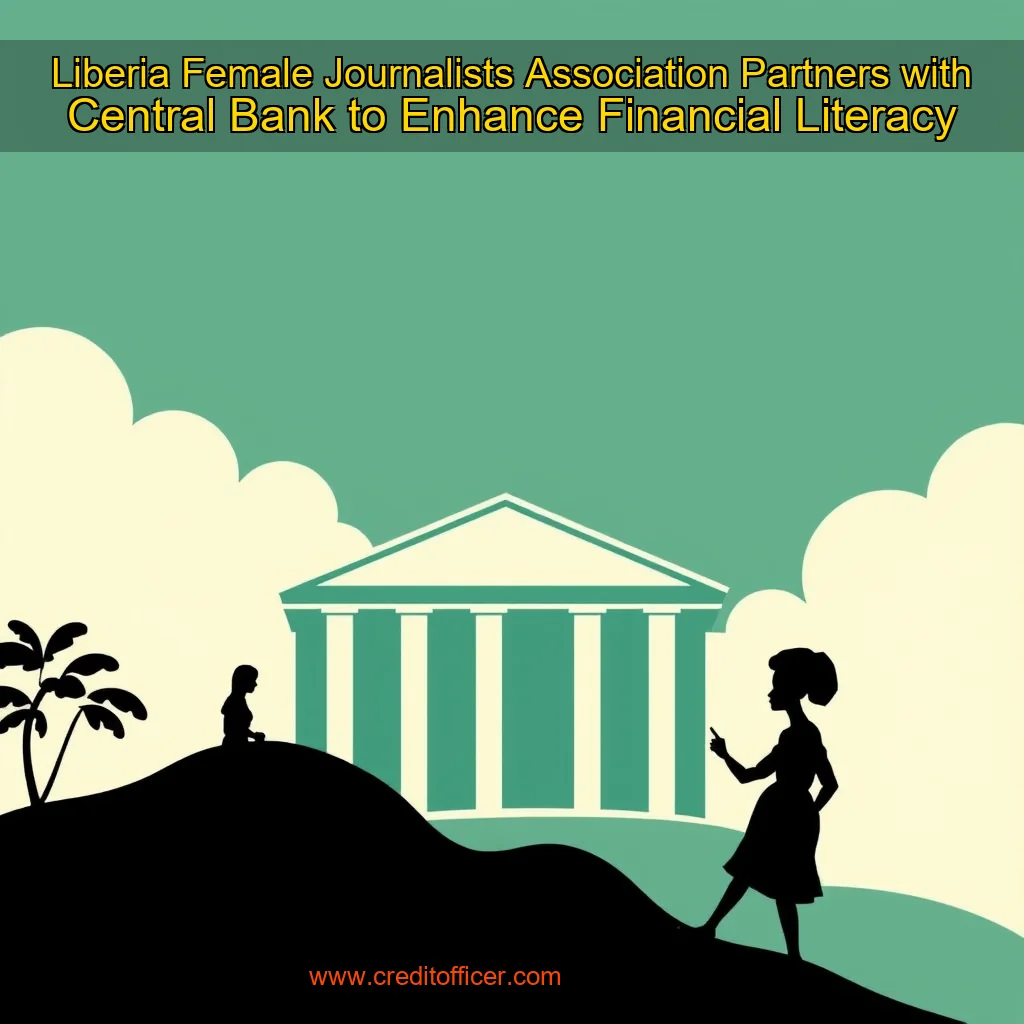
Empowering Women to Take Control of Their Financial Lives Through Financial Literacy and Inclusion.
The initiative aims to empower women to take control of their financial lives, making informed decisions about their money and reducing their reliance on exploitative financial services.
The Problem of Financial Exclusion
Financial exclusion affects millions of Liberians, particularly women and marginalized communities. These groups often lack access to basic financial services, such as savings accounts, loans, and credit. This exclusion can lead to a cycle of poverty, as individuals are forced to rely on high-interest loans and exploitative financial services. The lack of financial literacy also exacerbates this issue, making it difficult for individuals to make informed decisions about their money.
The FeJAL Initiative
The Female Journalists Association of Liberia (FeJAL) has launched an innovative financial literacy initiative to address this problem. The eight-month project is designed to promote financial inclusion and literacy, with a focus on women and marginalized communities. The initiative includes:
The Benefits of Financial Literacy
Financial literacy is essential for individuals to take control of their financial lives. By understanding basic financial concepts, such as budgeting, saving, and investing, individuals can make informed decisions about their money.
Targeting Vulnerable Groups
The project aims to address the needs of women, youth, and rural populations, who are often marginalized and excluded from mainstream development initiatives. By targeting these groups, FeJAL seeks to promote social inclusion and address the root causes of poverty and inequality. Women, in particular, face significant barriers to accessing education, employment, and healthcare, which can exacerbate their vulnerability to poverty and exploitation. Youth, on the other hand, are often denied opportunities for education and employment, leading to a lack of skills and knowledge that can hinder their ability to contribute to their communities.
The FeJAL campaign will focus on key areas of financial literacy such as budgeting, saving, and investing. The campaign will also address issues such as debt, credit, and financial planning.
Introduction
The Financial Education and Job Alert (FeJAL) campaign is a groundbreaking initiative aimed at promoting financial literacy among Liberian youth. The campaign is designed to equip young people with the knowledge and skills necessary to manage their finances effectively, making informed decisions about their financial lives, and achieving financial stability.
Key Objectives
The FeJAL Campaign
The FeJAL campaign is a comprehensive program that aims to promote financial literacy among Liberian youth.
The collaboration represents a crucial step forward in Liberia’s efforts to promote financial inclusion, with transformative potential for underserved communities.

news is a contributor at CreditOfficer. We are committed to providing well-researched, accurate, and valuable content to our readers.