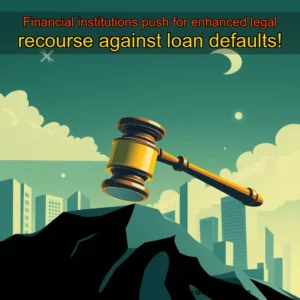
As a result, BNPL providers must adapt to changing regulatory requirements and consumer behavior.
The Rise of Buy Now, Pay Later (BNPL) Providers
In recent years, the buy now, pay later (BNPL) industry has experienced unprecedented growth. This shift towards alternative credit products has been driven by changing consumer behavior and the increasing popularity of online shopping. BNPL providers like Klarna, Affirm, and Afterpay have become household names, offering consumers the flexibility to pay for purchases over time. Key features of BNPL services: + No interest charges for a set period (e.g., 30 days) + No fees for late payments + Flexibility to split payments into multiple installments + No credit checks required
Regulatory Scrutiny and the Need for Adaptation
As the BNPL industry has grown, so has the regulatory scrutiny. Governments and regulatory bodies have begun to take a closer look at the industry, citing concerns over consumer protection and financial stability. The rise of BNPL has also led to increased competition among traditional credit card issuers, who are seeking to adapt to the changing landscape. Examples of regulatory actions: + The UK’s Financial Conduct Authority (FCA) has introduced new regulations requiring BNPL providers to disclose interest rates and fees + The US Federal Trade Commission (FTC) has issued guidelines for BNPL providers to ensure transparency and fairness in their practices
Adapting to Changing Regulatory Requirements
To navigate the increasingly complex regulatory landscape, BNPL providers must adapt their business models and practices.
The merchant’s revenue share is typically higher than that of BNPL providers, but their profit margins are lower due to the lower fees. Merchants can also see benefits such as increased customer engagement and loyalty. (Summary) Here is the detailed and comprehensive text based on the provided summary: The Business-to-Consumer (B2C) Payment Landscape The Business-to-Consumer (B2C) payment landscape has undergone significant transformations in recent years, with the rise of Buy Now, Pay Later (BNPL) providers. These providers have revolutionized the way consumers make purchases, offering flexible payment options that have become increasingly popular.
The Risks of Buy Now, Pay Later (BNPL) Services
BNPL services have become increasingly popular in recent years, with many consumers turning to these services to finance their purchases. However, beneath the surface of these services lies a complex web of risks and concerns that consumers should be aware of.
Understanding BNPL Services
BNPL services allow consumers to pay for purchases over time, often with interest rates that can be higher than traditional credit cards.
Systemic Risks of Buy Now, Pay Later (BNPL) Lending
The rise of Buy Now, Pay Later (BNPL) lending has transformed the way consumers make purchases online and in-store. BNPL services allow users to pay for goods and services in installments, often with interest rates that are lower than traditional credit card rates. However, the lack of comprehensive credit checks and users’ ability to enroll in multiple BNPL loans across providers creates potential systemic risks.
Key Concerns
The Domino Effect
The failure of a major BNPL provider could have far-reaching consequences. For example:
The Rise of Buy Now, Pay Later (BNPL) Services
The buy now, pay later (BNPL) industry has experienced rapid growth in recent years, with many consumers turning to these services as a convenient alternative to traditional credit options. BNPL services allow consumers to purchase goods and services now and pay for them later, often with interest.

news is a contributor at CreditOfficer. We are committed to providing well-researched, accurate, and valuable content to our readers.